

Marketing that actually works
Tired of bad marketing? You've come to the right place. We're a boutique digital marketing agency committed to solving marketing problems, backed by 20+ years of combined experience.
Services
What we do
Paid Advertising
Google, Facebook, Instagram and LinkedIn ads, PPC management and Local Services Ads
SEO
Local SEO, Google Business Profile, content, links and AI search visibility
Conversion
Conversion rate optimization, landing pages and landing page design
Strategy
Growth consulting and marketing plans, plus startup and B2B marketing

Meet the team
Our founders work directly with you.
Jessica and Ben have each started four companies. You work with them directly, from the first conversation through the work. No sales handoff. No account-manager shuffle.
Read our case studies.
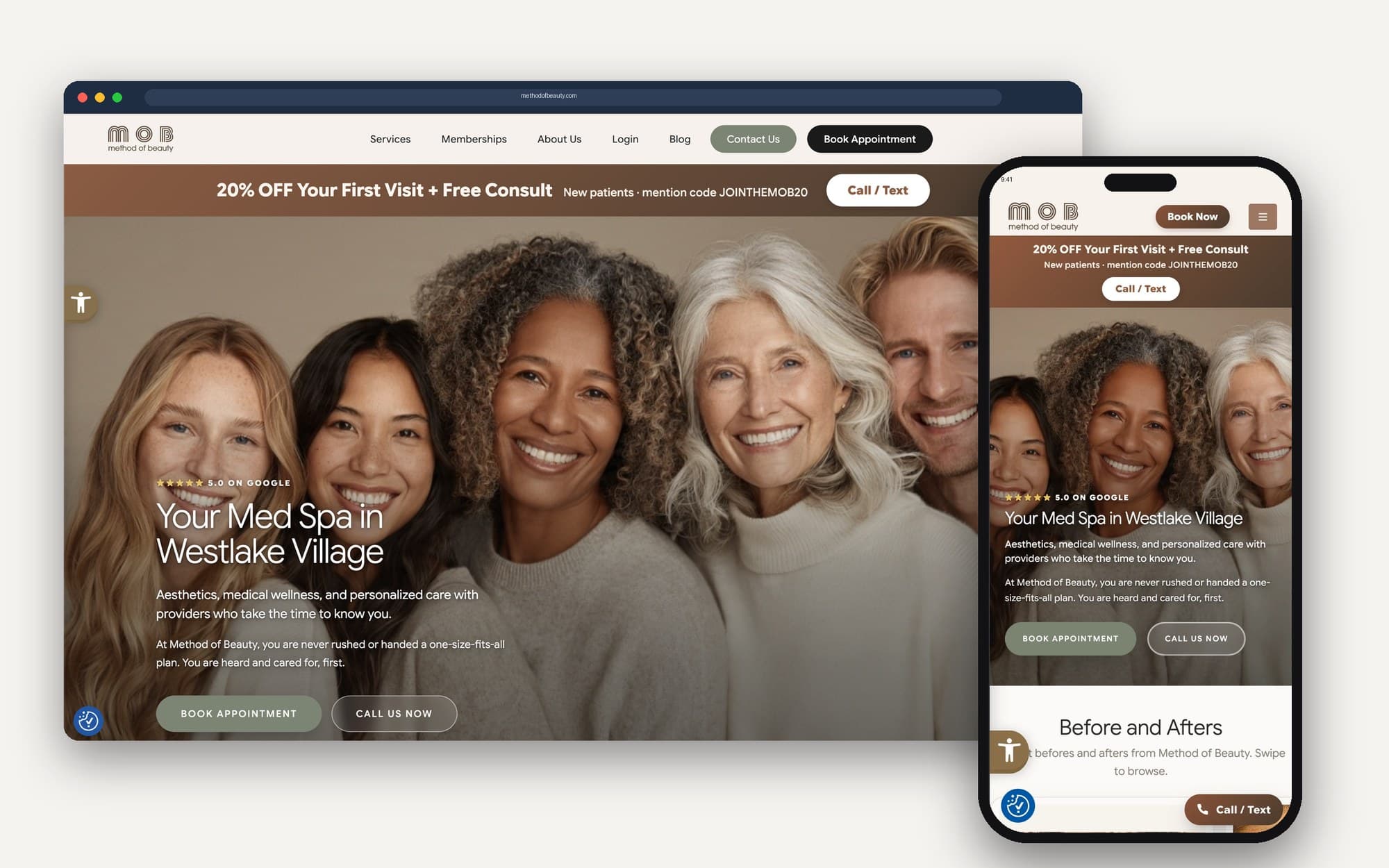
Healthcare · Medical
Nearly 3x Monthly New Patients in 4 Months
Read more
Retail · Consumer goods
Viral on Instagram with zero ads
Read more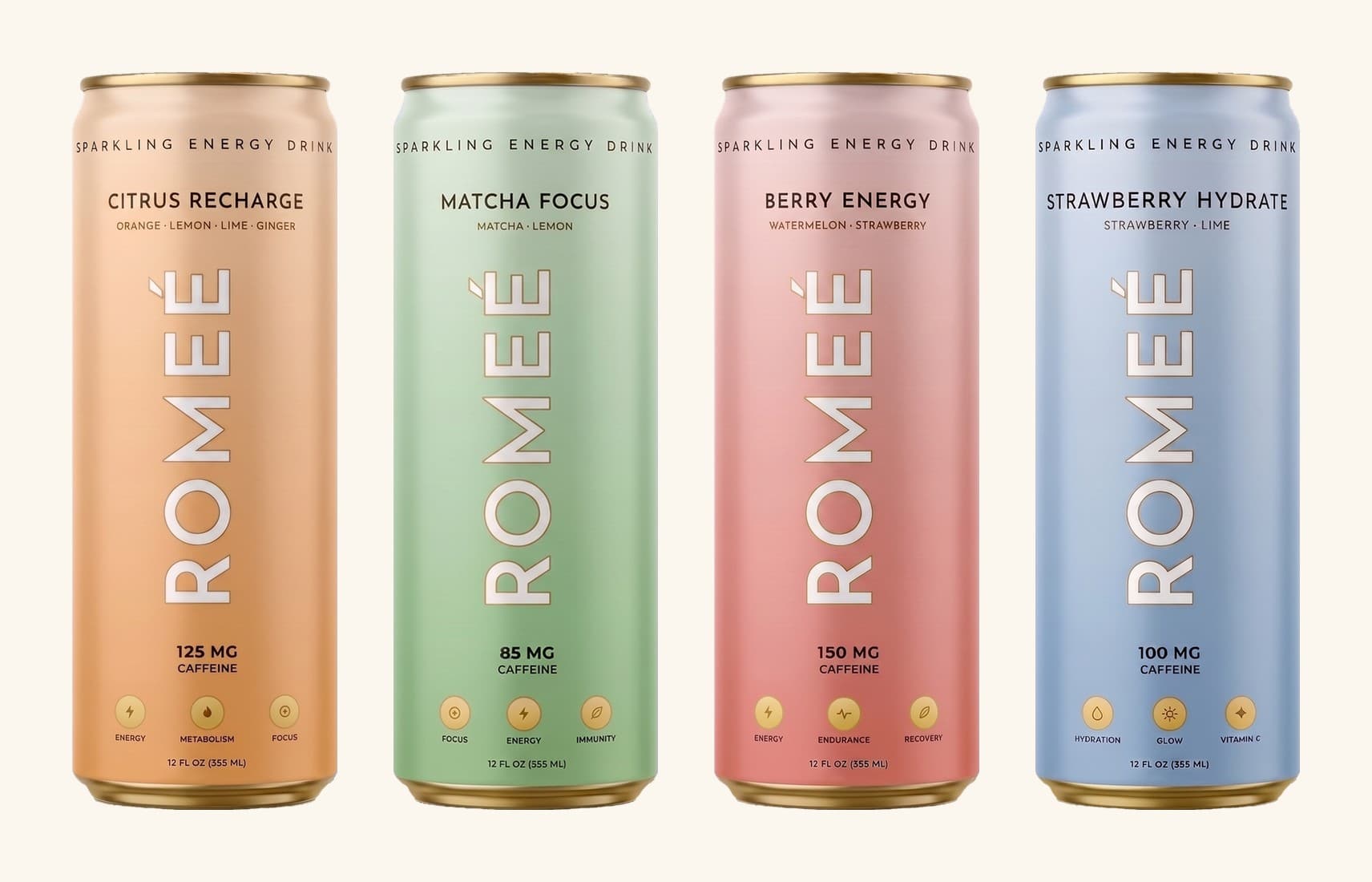
E-commerce · Retail · Consumer goods
We built Romeé's brand, packaging and Shopify website
Read more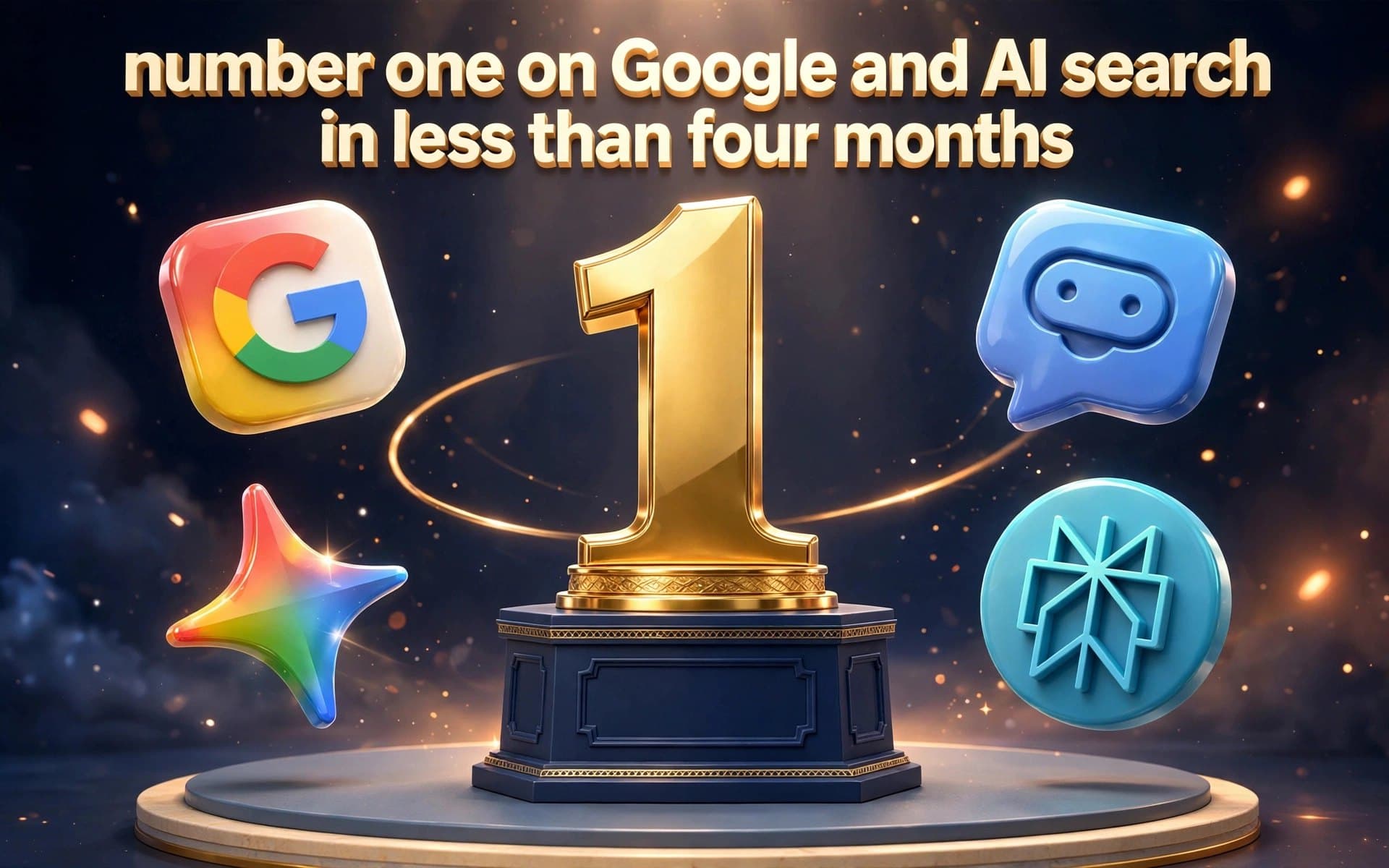
Technology
From a brand-new domain to #1 in ChatGPT, Gemini and Perplexity in four months.
Read moreHealthcare · Medical
Nearly 3x Monthly New Patients in 4 Months
Read moreRetail · Consumer goods
Viral on Instagram with zero ads
Read moreE-commerce · Retail · Consumer goods
We built Romeé's brand, packaging and Shopify website
Read moreTechnology
From a brand-new domain to #1 in ChatGPT, Gemini and Perplexity in four months.
Read moreTransparency from the start
How we actually work.
Founders stay close to the work
We limit the number of accounts we take on so Jessica and Ben can stay involved in each one.
Yours to keep
Your ad accounts stay in your name. On full payment, the assets and systems we create are assigned to you.
Monthly contracts
Ongoing work is month to month. No long-term lock-in, so we have to keep earning the next month.
Binge read if ya want
Reads you might dig
 October 26, 2026ChatGPT ads reach 89 countries, and the rewrite date just movedOver 100,000 advertisers have run campaigns on ChatGPT in just over eight months, and ads now reach 89 countries. OpenAI's help page now dates its automatic ad rewrites to October 31, two days later than it said last week. It was a quiet weekend for official AI news, so today we're looking at what changed and what we're watching next.Read more
 October 2, 2026Is Pangram's AI detector accurate? It flagged my own writing 100% AIOn October 2, 2026, I put my own writing into Pangram's AI detector. Pangram said two of my notes were 100% AI.Read more
 Oct 2026Where to list your business online: a local business listing checklistWhere to list your business online, starting with Google Business Profile, and how to keep each local business listing accurate and consistent.Read more
And the best part
Frequently Asked Questions
Is Mining Wells a fit for a small practice or an owner-operated business?
Often, yes. We work with owner-operators and practice owners who want senior people close to the work. Fit still depends on the problem, the budget and whether we believe we can help. If we are not the right people for it, we will say so.
Are you a medical marketing agency?
Yes. We market medical practices, med spas and clinics. For one medical practice, the work included local search, paid ads, a website rebuild and print. Healthcare advertising comes with extra platform and privacy constraints, and the work has to stay inside them.
Will I actually work with Jessica and Ben?
Yes. Jessica and Ben are on every account from the first conversation through the work. You work directly with the founders, with no sales or account-manager handoff.
How much do SEO services cost, and do you sell SEO packages?
We do not sell one-size-fits-all SEO packages. We agree the scope your site needs, in writing, before you commit. If you want the broader market context, we reviewed what 27 agencies charge.
Do you require a long-term contract?
No. Ongoing work is month to month. There is no long-term lock-in, which means we have to keep earning the next month.
How do you decide what marketing I need?
We start with the bug, not the budget. If the website is wasting the traffic you already pay for, buying more traffic is an expensive way to avoid fixing it. If the tracking is broken, we fix that before pretending we know what worked. We find the problem first, then decide what deserves your next dollar.
How will I know whether the marketing is working?
We agree on what the work is supposed to produce before it starts. Then we measure the closest business outcome we can reliably track: calls, forms, bookings or sales. Rankings, clicks and impressions matter as evidence. They are not the business result.
How fast will I see results, and can you guarantee them?
Paid channels can produce calls within the first weeks, because the demand is already there. SEO and local search usually move across 60 to 120 days, with the bigger gains between months six and twelve. Nobody can guarantee a ranking or a lead count, and Google's own guidance says to be wary of anyone who does. There is no growth hacking shortcut underneath it.
What does Mining Wells do?
We are a marketing agency in Irvine, California. We plan and run SEO, paid advertising, conversion work, email, websites, direct mail, print and PR, plus the marketing plan that decides what runs first. Jessica and Ben stay on the account from strategy through execution.
What kinds of businesses do you work with?
We specialize in healthcare, medical and dental, technology and AI, retail and consumer goods, architecture, engineering and construction, restaurants and home services. Mining Wells is headquartered in Orange County and works with clients nationwide.
Do you only work with businesses in Orange County?
No. We are based in Irvine, California and we work anywhere in the United States. Local search rewards local knowledge, so we research every market we take on, whether that is local to us or in another state.
How do we start?
Tell us what is happening and what you have already tried. We will tell you the one or two things that would move your business most right now, and which to skip. Text or call a founder, or send the contact form.
What is the difference between SEO and SEM?
SEO, search engine optimization, is earning unpaid placement in the results. SEM, search engine marketing, covers the whole results page, paid and organic together, though plenty of people use SEO SEM interchangeably and mean paid search alone. The practical difference in the SEO vs SEM question is timing: paid search starts the day the budget does, and SEO takes months and then keeps working. We run both.
Do you work as a PPC agency, and what is PPC management?
Yes. PPC stands for pay per click, meaning you are charged when someone clicks your ad rather than when it is shown. PPC management is the ongoing work behind the account: campaign structure, keywords and audiences, ad copy, negative keywords, bids, tracking and the landing page the click arrives on. That is what a PPC management company is for. We run PPC services on Google, Meta and LinkedIn.
Which ad platforms do you run?
Google Search, Performance Max and Local Services Ads. Meta, where Facebook marketing and Instagram ads run from one account, which is the work a Facebook advertising agency does. LinkedIn for business to business. Microsoft Advertising, which most people still call Bing Ads. Google Merchant Center for product feeds when a business sells online.
What are Local Services Ads?
Local Services Ads, shortened to LSAs and often searched as Google local ads, are Google's listings above the map for service businesses, carrying the Google Verified badge. You pass a background and license check to qualify, and you are billed per lead instead of per click. They appear above regular Google Ads on the page. We set them up and manage them.
What is a landing page, and do I need one?
A landing page is a single page built for one campaign and one offer, usually with the site navigation stripped out. You need one when you are paying for traffic, because a homepage makes the visitor go hunting for the thing the ad just promised. Message match, one call to action and proof are what make it convert.
What is conversion rate optimization?
Conversion rate optimization, CRO, is getting more customers out of the visitors you already have instead of buying more traffic. It covers the headline, the offer, the form, the load speed and where the proof sits on the page. A/B testing, which plenty of tools and articles write as AB testing, is the method of running two versions against live traffic to see which one wins. Website optimization is the broader term and usually means speed and technical health.
What makes a good call to action?
A call to action is the single thing you are asking a reader to do next. The call to action examples that work name the step clearly: talk to our founders, get the free marketing audit, read the case study. Vague labels like learn more make the reader work out what happens after the click.
What is an SEO audit?
An SEO audit is a review of everything that decides whether a site can rank: whether search engines can crawl and index it, speed on a phone, site structure and internal links, the on-page content, schema markup, and the backlink profile. Technical SEO is the part of that dealing with how search engines reach and read your pages. We run audits on their own or as the first month of ongoing work.
What SEO tools do you use?
The search engine optimization tools worth paying for are a short list: Semrush and Ahrefs for keyword and backlink data, Google Search Console for what your own site is actually doing, and Screaming Frog for crawls. SEO optimization tools measure, they do not rank a site. You see the same numbers we do.
What are SEO keywords, long tail keywords and keyword difficulty?
SEO keywords are the phrases people actually type, and what makes one valuable is intent rather than volume. A long tail keyword is a longer, more specific version, like laser hair removal for men in Irvine instead of laser hair removal: less traffic, far more intent, usually easier to win. Keyword difficulty is a score from zero to one hundred that SEO tools assign to estimate how hard page one will be for a term.
What are SEO best practices, and can I do SEO myself?
Much of it is learnable and we publish the checklists free. The best SEO practices, in the order that matters: make sure Google can crawl and index the site, fix speed on a phone, build a real page for each thing you sell, get the local listings right, then earn links. Businesses hire an agency when the technical work gets deep, the writing keeps slipping, or the competition is funded.
What is schema markup, and what is semantic SEO?
Schema markup, searched about equally as schema SEO and SEO schema, is structured data added to a page's code so search engines can tell what the page is: a business, a service, a review, a set of questions. Semantic SEO is covering a subject and the concepts around it rather than repeating one phrase, because search engines now match meaning instead of strings. Both are standard parts of an SEO engagement.
Do you do link building?
Yes. Link building is earning links from other websites, which search engines still treat as a signal of authority. Local press, trade publications, partners, awards and original data all count. Paid link networks violate Google's spam policies and put the site at risk, so we do not use them.
What are GEO and AEO, and does AI search matter yet?
It does, and it is growing. Generative engine optimization, GEO, is being cited inside an AI answer. Answer engine optimization, AEO, is being the direct answer in a featured snippet, a voice result or an AI Overview. Both rest on the same foundations as classic SEO: clear pages, credible sources and real authority. We track how a business shows up in those answers and report the movement.
Do you offer content writing services?
Yes. Content writing services cover the pages that sell, meaning your service, location and landing pages, plus the articles that support them. An SEO content strategy organizes those into topics: one strong page on a subject, supporting pieces linked to it, rather than a pile of unrelated posts.
Do you have examples of content marketing that worked?
Yes, and the clearest content marketing examples we have are our own. A single educational post for our founders' juice bar reached 76,000 people and was shared 12,000 times, because it taught something worth passing on. This site is the other one: more than a hundred guides, organized into topics and interlinked.
What is email marketing, and what does an email marketing strategy include?
Email marketing is what a business sends to the people who gave it their address, and an email marketing strategy is the plan behind it: a welcome series, a post-purchase or post-visit sequence, a win-back for customers who drifted, and a regular newsletter. The email marketing strategies that earn their keep are triggered by what someone does. The line between marketing and email blurs here, because email is the only channel where the audience belongs to you. Deliverability, meaning whether the message reaches an inbox at all, is the constraint on all of it. We do not buy lists or send cold email.
Is Mining Wells a mining, drilling or well company?
No. We are Mining Wells Marketing Agency, a marketing agency in Irvine, California, not a well operator. We do not drill, operate or service wells of any kind, and we have no connection to mining, solution mining, Class III injection wells, water wells or oil and gas. We market owner-led businesses: SEO, paid advertising, websites, email, direct mail, print and PR. For the injection wells used to dissolve and extract minerals such as salt and uranium, the U.S. EPA's page on Class III wells is the official source.
U.S. EPA: Class III Injection Wells for Solution MiningIs Mining Wells affiliated with Zhejiang Miningwell Supply Chain Management Co., Ltd.?
No. We are Mining Wells Marketing Agency, a marketing agency in Irvine, California, founded in 2019 by Jessica and Ben Wells. We are not affiliated with Zhejiang Miningwell Supply Chain Management Co., Ltd., Zhejiang Miningwell Machinery Co., Ltd. or any other company that makes or sells drilling rigs, mining equipment or water well products, and we do not publish product catalogs. Our website is miningwells.com.
You've read to the end. Now it's your move.
If you want a change with your business and are ready to invest in yourself, let's chat.