

//For Retail & E-commerce Brands
Sell more units.
Without burning the brand.
An online brand can have an acquisition problem, a conversion problem, a margin problem or a repeat-purchase problem. Those are not interchangeable. We start with the economics and customer behavior, then decide what deserves the next dollar.
//Who this is for
Best fit for an operating brand with real orders, usable business data and budget set aside to act on the plan. A funded pre-launch brand can fit too, but that is a different job.
//WHAT THE DATA SAYS
Where marketing usually breaks.
Retail numbers often disagree because they answer different questions. These facts are useful context, not a diagnosis of your business.
Online is big, but it is not the whole retail market.
The U.S. Census Bureau estimated e-commerce at 17.1% of total U.S. retail sales in Q2 2026, seasonally adjusted.
U.S. Census BureauA cart abandonment number needs context.
Baymard tracks average cart abandonment at 70.19%. In its latest U.S. survey, 42% of shoppers who abandoned said they were simply browsing or not ready to buy, which means not every abandonment is a checkout problem.
Baymard InstituteROAS is not profit.
Google Ads defines ROAS as conversion value divided by ad spend. Google defines ROI using profit relative to costs. A platform can report a healthy ROAS while margin, returns, shipping or other costs tell a different story.
Google Ads//Three different problems
Three businesses. Three different assignments.
Body Juice shows customer growth and retention with our founders' own money on the line. Romée shows brand, packaging and Shopify website work. The technology company shows search and AI visibility built from a brand-new domain. Different problems called for different work.

Body Juice
From farmers' market cart to 600% customer growth
One of our founders' own businesses, built on a founder's budget.
Read the case studyRead the Body Juice case study
Romée
From a name to a brand, four can labels and a Shopify website
Logo system, four production-ready can labels and a custom website integrated with Shopify.
Read the case studyRead the Romée case study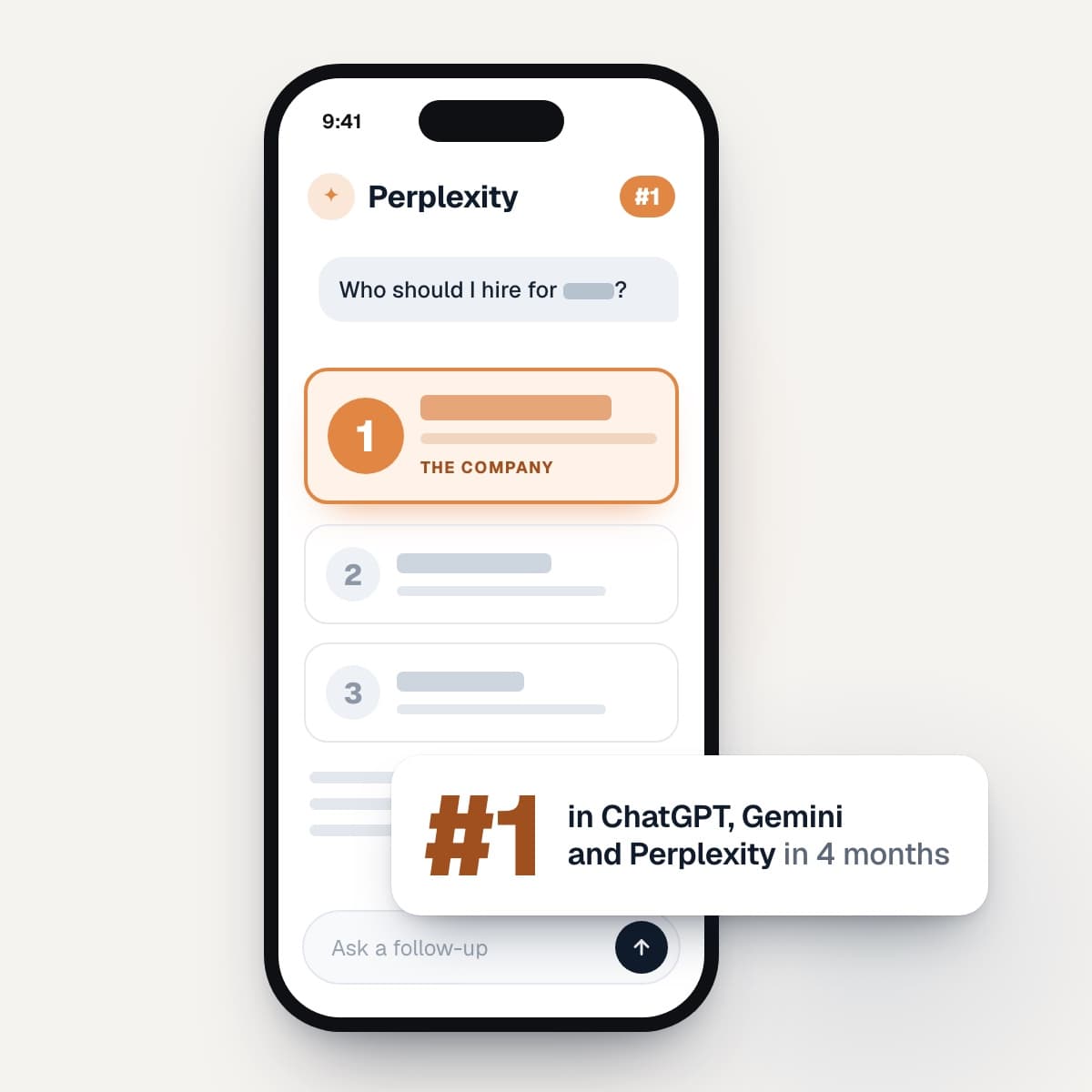
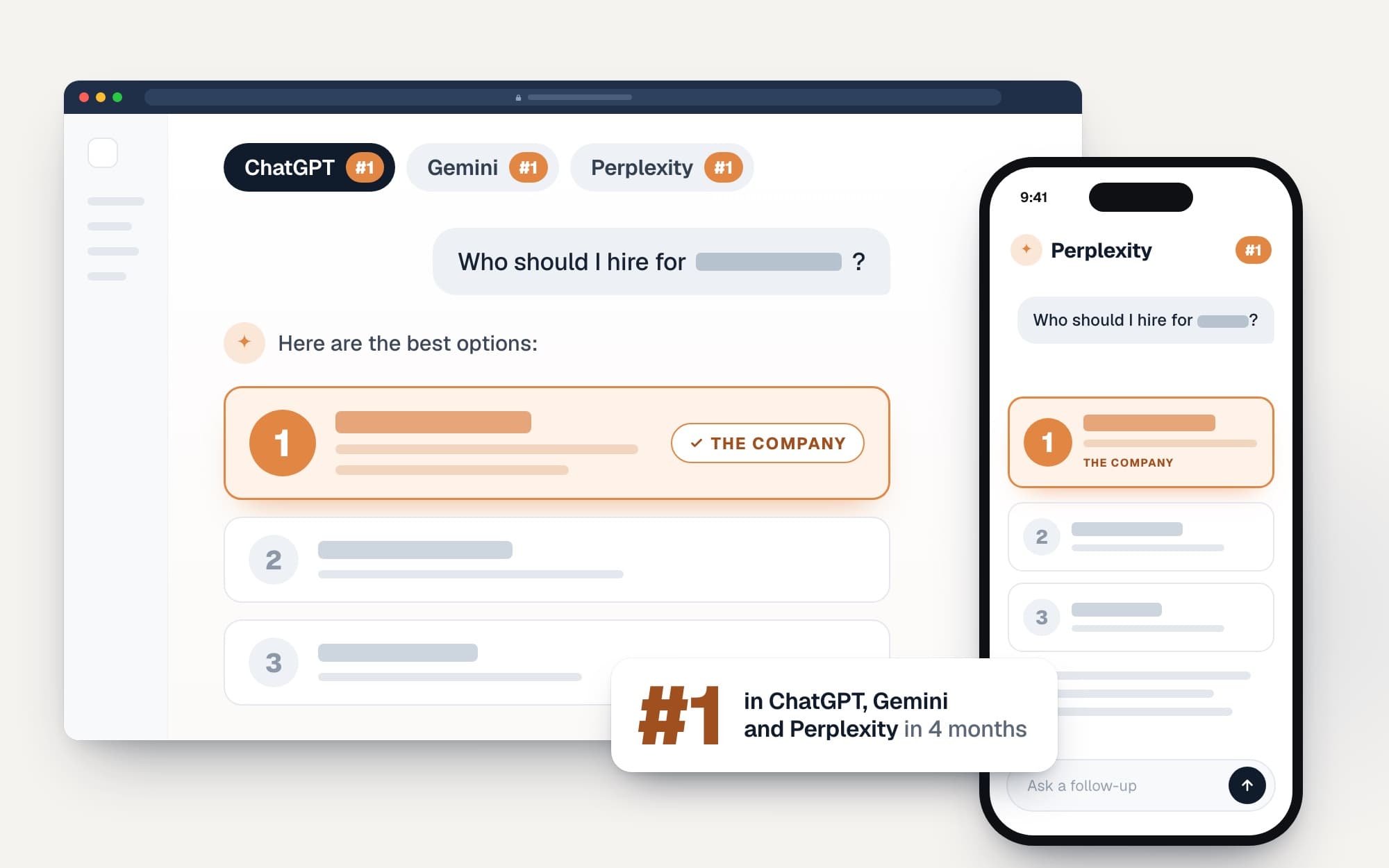
Technology company
From no website to #1 in ChatGPT, Gemini and Perplexity
In four months, from a brand-new domain and no marketing team.
Read the case studyRead the technology case study//How we work
We diagnose before we prescribe.
- 01
Talk to our founders
Bring the numbers you trust and the ones you do not.
- 02
We find the constraint
We look across the economics, customer path and measurement only as far as needed to understand what is making growth expensive. If the problem is not marketing, we say so.
- 03
You get the plan
What we would change first, what can wait and what we would not spend on yet.
Starts with a short founder conversation.
//Common questions
What the research says.
What is ROAS?
Return on ad spend is the conversion value attributed to advertising divided by the amount spent on that advertising.
Google Ads HelpIs ROAS the same as ROI?
No. ROAS compares attributed revenue with advertising spend. ROI considers profit relative to costs, so the two measures answer different questions.
Google Ads HelpWhat is contribution margin?
Contribution margin is revenue left after variable costs are deducted. It shows how much remains to cover fixed costs and profit.
Corporate Finance InstituteHow common is cart abandonment?
Baymard tracks average online cart abandonment at about 70%. Its research also shows that a meaningful share of abandonment comes from shoppers who were browsing or not yet ready to buy, rather than from a checkout failure alone.
Baymard Institute//Want a second set of eyes?
You know the business better than we do.
Bring the numbers you trust and the ones you do not. A founder will help separate the marketing problem from the margin, store or retention problem before we recommend spend.