Retail SEO: how local shoppers find your store on Google
Retail SEO for independent stores: show in-store products on Google, keep hours accurate, and build product pages that local shoppers can find.
A shopper who needs a gift, a part or a pair of shoes today has two questions: who carries it, and are they open. Retail SEO is the work of answering both questions on Google before the shopper drives to a competitor. For SEO for retail stores, that means two places: your Google Business Profile, which puts you on the map, and your website's product pages, which show what you sell.
Retail SEO starts on the map
Google says that when people search for a business or place near them, they find local results on Google Maps and Search. Google says those results are mainly based on relevance, distance and popularity. Google also says businesses with complete and accurate information are more likely to show up.
For a store, complete means more than an address. Google suggests adding your full address, your hours, what kind of business you are, and other details such as parking or Wi-Fi availability. Those small details answer the questions shoppers have before they get in the car.
Show your in-store products
This retail feature is worth setting up early. Google says retail businesses in eligible countries or regions can show in-store products on their Business Profile. When you do, those products might show in local search results, and customers can find out what is in stock.
If you sell items people search for by name, setting up in-store products turns a general store listing into an answer to a specific search. Start with your best sellers and the items customers call to ask about.
Photos that show the store
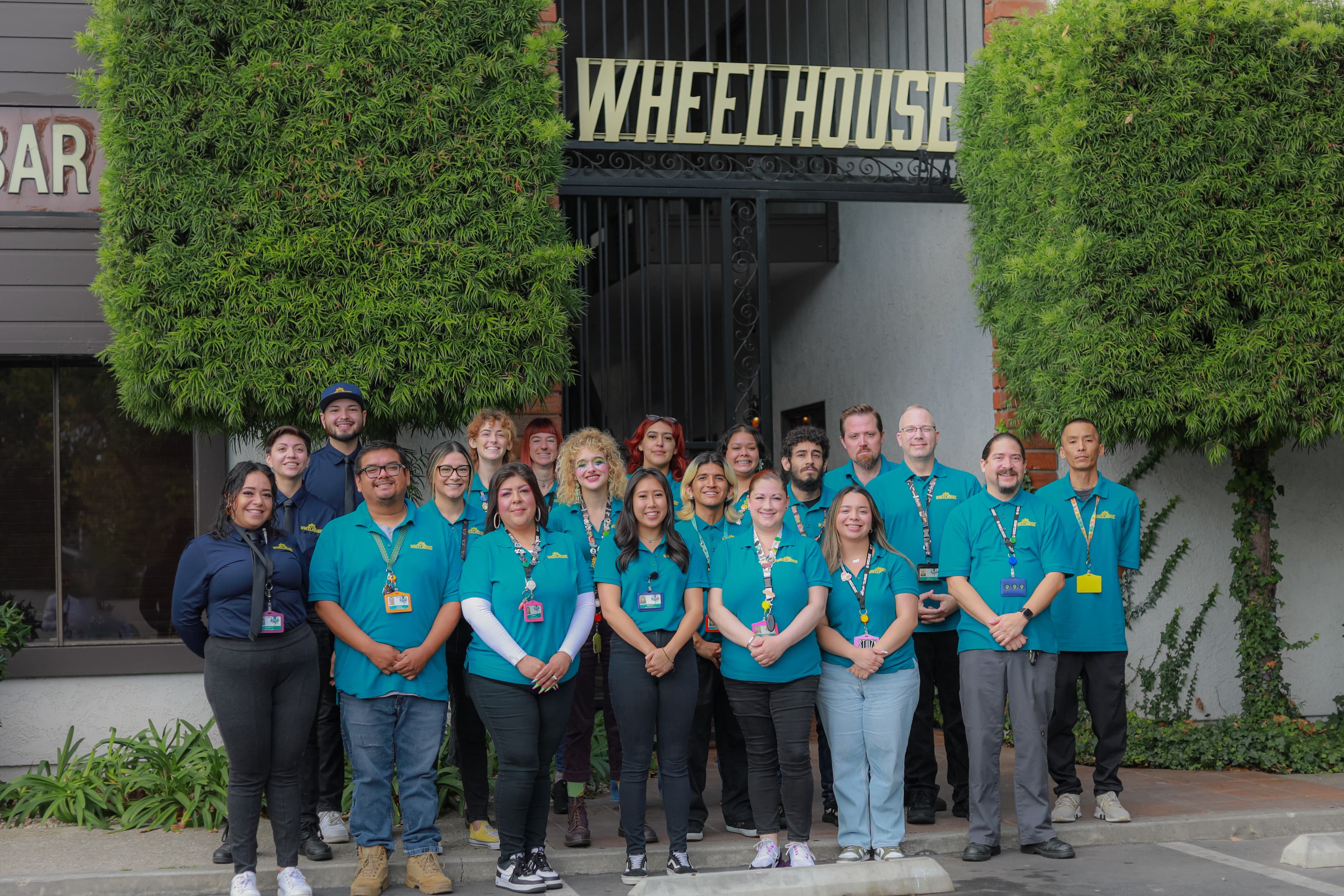
Shoppers want to know what they'll see when they walk in. Google suggests adding photos and videos to your Business Profile to show customers what you offer and tell the story of your business. For a store, that means the storefront from the street, so people recognize it when they arrive, plus the inside of the shop, your best displays and the products you're known for.
Update them when the store changes. New fixtures, a seasonal window or a new product line are all good reasons to add fresh photos. Real pictures of your own store tell a shopper far more than stock photos, and they show that someone is paying attention to the listing.
Hours that match reality
A shopper who drives to a locked door may not come back. Google's guidelines say to provide your regular customer-facing hours, and they let you set special hours for particular days, like holidays or special events.
Seasonal stores have their own rule. During your open season, Google says to set your regular hours, and you may set special hours for holidays or temporary closures. When you reopen after a closed season, set your regular hours again.
Product pages shoppers can find
Your website does the work the map can't: it shows the full range of what you sell. A few principles from Google's SEO Starter Guide matter most for product pages.
Descriptive URLs. Google recommends URLs with words that may be useful for users. A path like /shoes/trail-running/ tells a shopper more than a string of numbers.
Organized sections. For larger catalogs, Google notes that if you have more than a few thousand URLs, grouping similar topics in directories can help it learn how often each section changes. Google's own example separates a promotions folder, which changes often, from a policies folder, which rarely does.
One URL per product. When the same product appears under several URLs, Google calls that duplicate content. Google says duplicate content is not a violation of our spam policies, but it can be a bad user experience, and search engines might waste crawling time on URLs you don't care about. Aim for each product to live at one address.
Good images. Google recommends sharp, clear, high-quality images placed near relevant text, since the nearby words help it understand what an image shows.
Write descriptions that help a shopper decide
Product descriptions are where a small retailer can stand out. Google's starter guide asks you not to copy others' content and to create content based on what you know about the topic. You know which customers buy a product, what they ask before buying it and what they say when they come back.
Put that knowledge on the page. Explain who the product is right for, how it compares with the item next to it on your shelf and what people usually buy with it. That is information a shopper can't get from a generic listing.
Reviews and replies
Google says that replying to reviews shows that you value their feedback, and that positive reviews and helpful replies may help your business stand out. Ask happy customers at the register or on the receipt, and reply to every review, including the critical ones.
A retail SEO checklist
- Complete your Google profile, including attributes like parking.
- Set up in-store products for your best sellers.
- Keep regular, special and seasonal hours accurate.
- Give every product one clear URL and a useful description.
- Use sharp product photos next to relevant text.
- Ask for reviews and answer them.
Retail SEO comes down to telling shoppers the truth quickly: what you have, where you are and when you are open.
Sources
Checked October 3, 2026. Platforms change their guidance. The linked pages are the final word.