
//Oceanside, California
How to start a business in Oceanside.
Oceanside blends a North County beach-town draw with a strong military community and a fast-rising downtown. Here is the practical sequence to register, license, and open your business, with the official links and where to get free help.
Starting a business in Oceanside? The official steps and source links are below.
Already operating or launching with budget in place? You can also
Oceanside is the northern anchor of San Diego County's coast. The Oceanside Pier, the harbor, the beaches, and the California Surf Museum drive a real visitor economy, while the city's location next to Camp Pendleton gives it a large, steady military community. In recent years the downtown has surged, with new restaurants, breweries, and hotels turning Oceanside into a busy North County destination.
That mix of visitors, residents, and military families is the opportunity, and each searches a little differently. Getting open cleanly, with the right license and permits, sets the foundation. Getting found by the right customer comes next. This guide handles the first in detail, then points you to the second.
//The sequence
How to start a business in Oceanside, step by step.
This is the order that works for most new Oceanside businesses. Requirements vary by entity, location and industry, so use the city, county and state sources below to confirm what applies to yours.
- 1
Start with the Planning Division
The city says the Development Services Department should be your first stop: its Planning Division explains the process and the permits you need, (760) 435-3520. Check the zoning there before you sign a lease or buy a site. Building permits are required for all construction, including high piled storage, though not for painting, carpeting, or counters and partitions under five feet nine inches; signs need their own permits.
- 2
Register the business and the name
Form an LLC or corporation with the California Secretary of State through bizfile Online, or stay a sole proprietor. If you use a name that is not your legal name, file a fictitious business name (DBA) statement with the San Diego County Assessor/Recorder/County Clerk within 40 days of starting business. It costs $54 for the first name and registrant, plus $5 for each additional, and because it needs an original signature it is filed in person or by mail. Publish it within 45 days of filing, once a week for four consecutive weeks in a newspaper of general circulation.
- 3
Get your free EIN and any seller's permit
The IRS says you generally need an EIN to hire employees or to operate a partnership or corporation. It issues the number online, immediately if approved, and never charges for it. If you sell or lease goods that would ordinarily be subject to sales tax, you also need a seller's permit from the CDTFA, which does not charge for it but may ask for a security deposit.
- 4
Get your Oceanside business license
All businesses operating in Oceanside, including home-based ones, need a business license. Download the application for your type (commercial in city, commercial with a kitchen, home-based, out of city or sidewalk vendor) and submit it with the administrative fee. It is routed for approvals, which take about 15 days, longer if a change of occupancy permit is needed or the business is in the redevelopment area. Applying and paying does not let you open, so wait for final approval. General questions: (760) 435-4500.
- 5
Pull any industry permits
If you sell or serve food: Every retail food facility, including vending vehicles and caterers, needs a public health permit from the County of San Diego Department of Environmental Health and Quality, and state law requires plans approved before any new construction or remodeling. The county's Plan Check unit reviews plans submitted online: plnchk@sdcounty.ca.gov. For other permits, GO-Biz offers permitting and regulatory help for any size company.
- 6
Renew every year
A renewal form arrives around the 15th of the month your license expires. The license tax is 50 cents per $1,000 of the past 12 months' gross receipts, with a $50 minimum, and the form, payment and proof of gross receipts are due by the 20th of the following month. Renewals and status: (760) 435-3878, BLInquiry@oceansideca.org.
- 7
Check the $800 California tax rules for your entity
Every California LLC owes the $800 annual tax, even in a year it does no business, until it is cancelled. Corporations owe an $800 minimum franchise tax, but newly incorporated or qualified corporations do not pay it in their first taxable year.
- 8
Use the free help that already exists
The San Diego & Imperial SBDC offers no-cost, one-on-one business consulting and low-cost training for new and existing businesses across San Diego and Imperial counties. Use it before you pay a consultant.
//Free Oceanside checklist
Take the steps with you.
Get the Oceanside business checklist with the city, county, state and federal source links in one place, plus the licensing offices of five San Diego County cities. We keep the source page dated so you can see when it was last checked.
//Common questions
Things we get asked first.
Do I need a business license in Oceanside?
Yes. All businesses operating in the City of Oceanside, including home-based businesses, are required to have a business license.
Source: City of Oceanside, Business LicenseHow long does an Oceanside business license take?
About 15 days after you submit the application and administrative fee. It can take longer if a change of occupancy permit is required, or if the business is in the redevelopment area, which needs Community Development Commission approval. Do not open until you have final approval.
Source: City of Oceanside, Business LicenseHow much is the Oceanside business license tax?
At renewal, it is 50 cents per $1,000 of gross receipts for the past 12 months, with a $50 minimum, plus administrative fees. The city posts its current application fees, effective July 1, 2026, on its business license page.
Source: City of Oceanside, Business LicenseCan I run a business from my home in Oceanside?
Yes, with a city business license; the city has a separate application for home-based businesses. Check with the Planning Division first: (760) 435-3520.
Source: City of Oceanside, Business LicenseHow do I open a restaurant in Oceanside?
Beyond the Oceanside business license, every retail food facility needs a public health permit from the County of San Diego Department of Environmental Health and Quality. Plans for a new or remodeled facility go to the county's Plan Check unit online, and state law requires them approved before construction. Inspections are graded: points come off 100, an A means 90 to 100, and the grade card is posted near the public entrance.
Sources: County of San Diego DEHQ, Food Program and Food Plan CheckHow do I register a business name in San Diego County?
If you use a name that is not your legal name, file a fictitious business name (DBA) statement with the San Diego County Assessor/Recorder/County Clerk within 40 days of starting business. It costs $54 for the first name and registrant, plus $5 for each additional, and because it needs an original signature it is filed in person or by mail. Publish it within 45 days of filing, once a week for four consecutive weeks in a newspaper of general circulation.
Source: San Diego County Assessor/Recorder/County Clerk, Fictitious Business Name//Already operating?
The marketing question starts after the filing question.
If the business is already open, or the launch is funded, tell our founders what you want to change. We will look at the business before recommending SEO, paid media, the website or anything else.
For operating businesses and funded launches with budget available to act on the plan.
//Bookmark these
Official Oceanside, San Diego County, and California resources.
Every link here goes straight to a government or nonprofit source. These are the agencies that actually issue your registrations and permits, so go to them directly rather than a paid middleman.
- City of Oceanside: Business License
All businesses, including home-based, need a license. Approvals take about 15 days. Renewals and status: (760) 435-3878.
- County of San Diego: Business Licenses
Links to the license office of each of the county's 18 cities. No business license is needed in unincorporated areas, though other permits may apply.
- County of San Diego: Planning & Development Services
Building permits, land use and zoning for the unincorporated areas. Zoning: (858) 694-8985.
- San Diego County Assessor/Recorder/County Clerk: Fictitious Business Name
$54 for the first name and registrant, plus $5 for each additional. Filed in person or by mail; publish within 45 days. (619) 237-0502.
- County of San Diego DEHQ: Food Program
Every retail food facility, including vending vehicles and caterers, needs a public health permit. An A grade means 90 to 100.
- County of San Diego DEHQ: Food Plan Check
Plans for new or remodeled food facilities and mobile food units, submitted online. Questions: plnchk@sdcounty.ca.gov.
- San Diego County Assessor: Business Personal Property
Statements are mailed in January and due April 1; a 10% penalty applies after May 7. (858) 505-6100.
- San Diego & Imperial SBDC (free advising)
No-cost, one-on-one business consulting and low-cost training across San Diego and Imperial counties.
- CA Secretary of State: bizfile Online
Where LLCs and corporations file with the California Secretary of State.
- IRS: Get an EIN
Your federal tax ID. Apply online and, if approved, the number is issued immediately. The IRS never charges a fee for an EIN.
- CDTFA: Seller's permit
Required if you sell or lease goods that would ordinarily be subject to sales tax. The CDTFA does not charge for it, though it may ask for a security deposit.
- Franchise Tax Board: LLC $800 annual tax
Every LLC doing business or organized in California owes the $800 annual tax, even in a year it does no business, until the LLC is cancelled.
- Franchise Tax Board: Corporation minimum tax
Corporations owe an $800 minimum franchise tax, but newly incorporated or qualified corporations do not pay it in their first taxable year.
- GO-Biz: Permit & Regulatory Assistance
The Governor's Office of Business and Economic Development says it will assist any size company with permitting and regulatory questions.
//Our work
View our case studies
Five businesses we have grown, including our own. Every number on these pages is one we can show you.

Method of Beauty
From zero to 406 ranking keywords
Meta clicks cost 60% less than the average advertiser pays.
Technology company
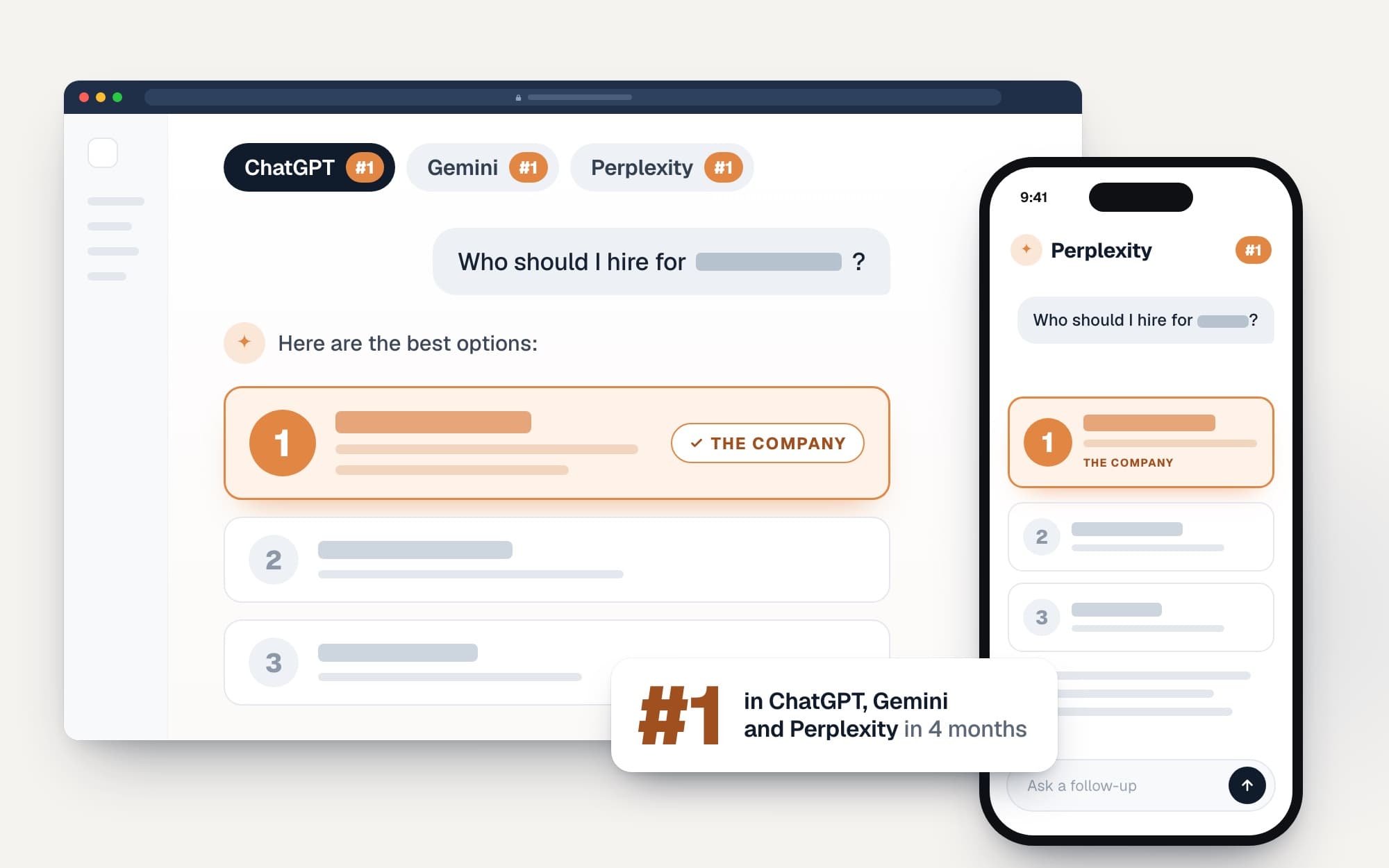
From no website to #1 in ChatGPT, Gemini and Perplexity
In four months, from a brand-new domain and no marketing team.

Body Juice
From farmers' market cart to 600% customer growth
One of our founders' own businesses, built on a founder's budget.
Read the case studyRead the Body Juice case study
Romée
From a name to a brand, four can labels and a Shopify website
Logo system, four production-ready can labels and a custom website integrated with Shopify.
Read the case studyRead the Romée case study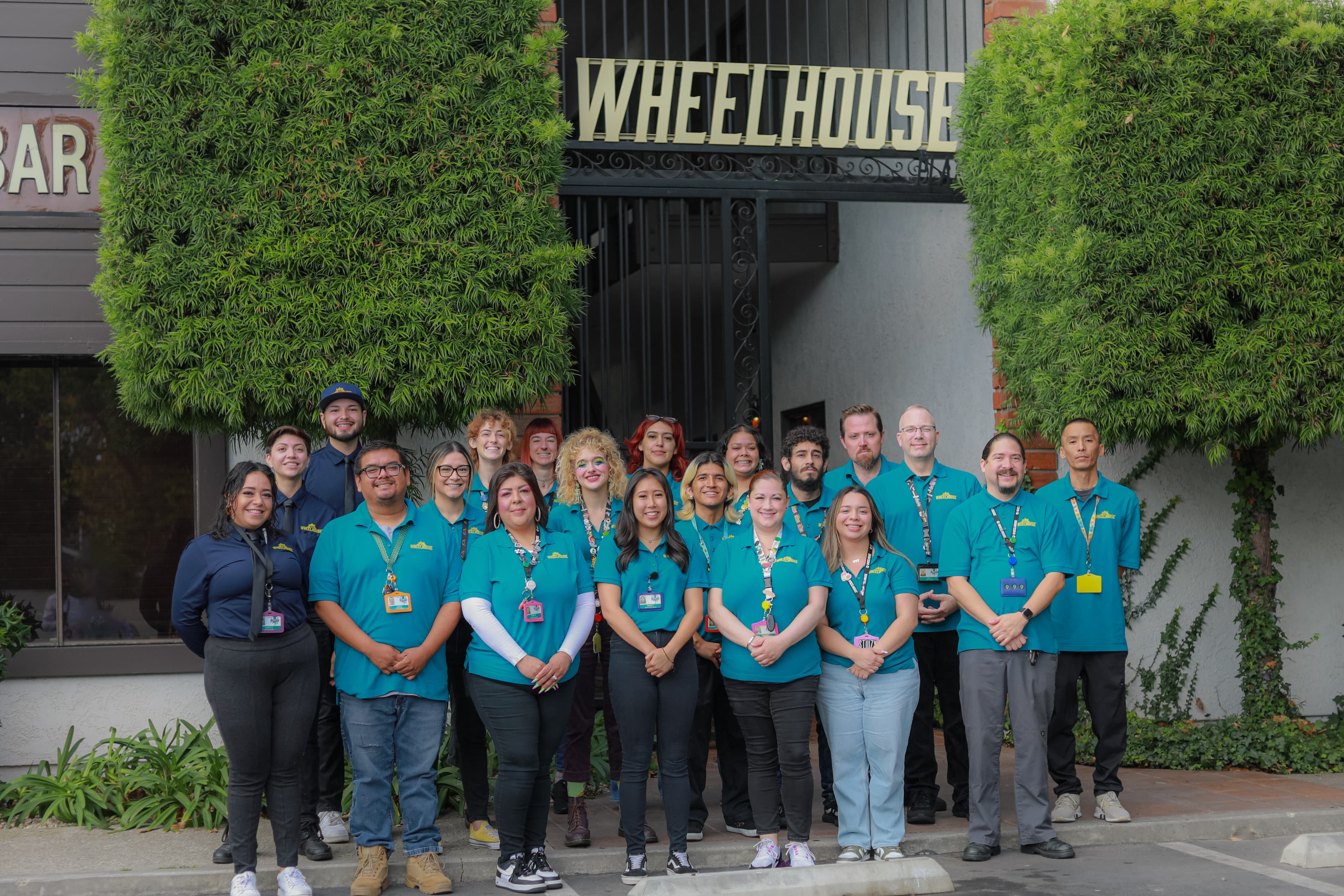
Wheelhouse
From page 3 to the top 3 for 300+ keywords
In a category that bans most advertising.
Read the case studyRead the Wheelhouse case study