Branding basics for small business: more than a logo.
Most owners think branding means a logo and a color, and that it can wait until they are bigger. That belief quietly costs them customers and pricing power every single week.
You have probably told yourself some version of this: branding is for the big companies, you will get to it once revenue is steady, and for now a decent logo off a freelance site is plenty. That instinct feels responsible. It is also an expensive misunderstanding, because branding is part of the reason the business works at all.
The myth that costs you money: branding equals logo
A logo is a marker. It helps people recognize you, the way a face helps you find a friend in a crowd. But the face is not the friendship. Your brand is what people expect when they see that marker, and whether that expectation makes them lean in or keep scrolling. It lives in the gap between "I have heard of them" and "I trust them with my money."
A brand is a promise plus the consistent experience that keeps it. When an owner spends three weeks agonizing over a logo and zero hours deciding what the business actually promises and how it will keep that promise on a bad Tuesday, they have polished the wrapper and left the box empty.
The strongest brands in the world are valued on exactly this distinction. The methodology behind Interbrand's Best Global Brands measures a brand by how well it drives customer choice, builds loyalty, and protects future profit. How pretty the logo is does not appear on that list. They are measuring the promise and the trust, because that is where the value sits.
What a brand is actually made of
If branding is bigger than a logo, what is in the box? Five working parts. None of them require a design degree, and all of them are decisions you can make this month.
- Positioning. Who you are for, what you do better than the alternatives, and the one reason a specific person should pick you over the business down the street. If you are "for everyone," you are memorable to no one.
- Voice. How you sound when you talk. Warm and plainspoken, precise and expert, dry and funny. Pick a register and use it everywhere, so a customer who reads your invoice and your website hears the same human.
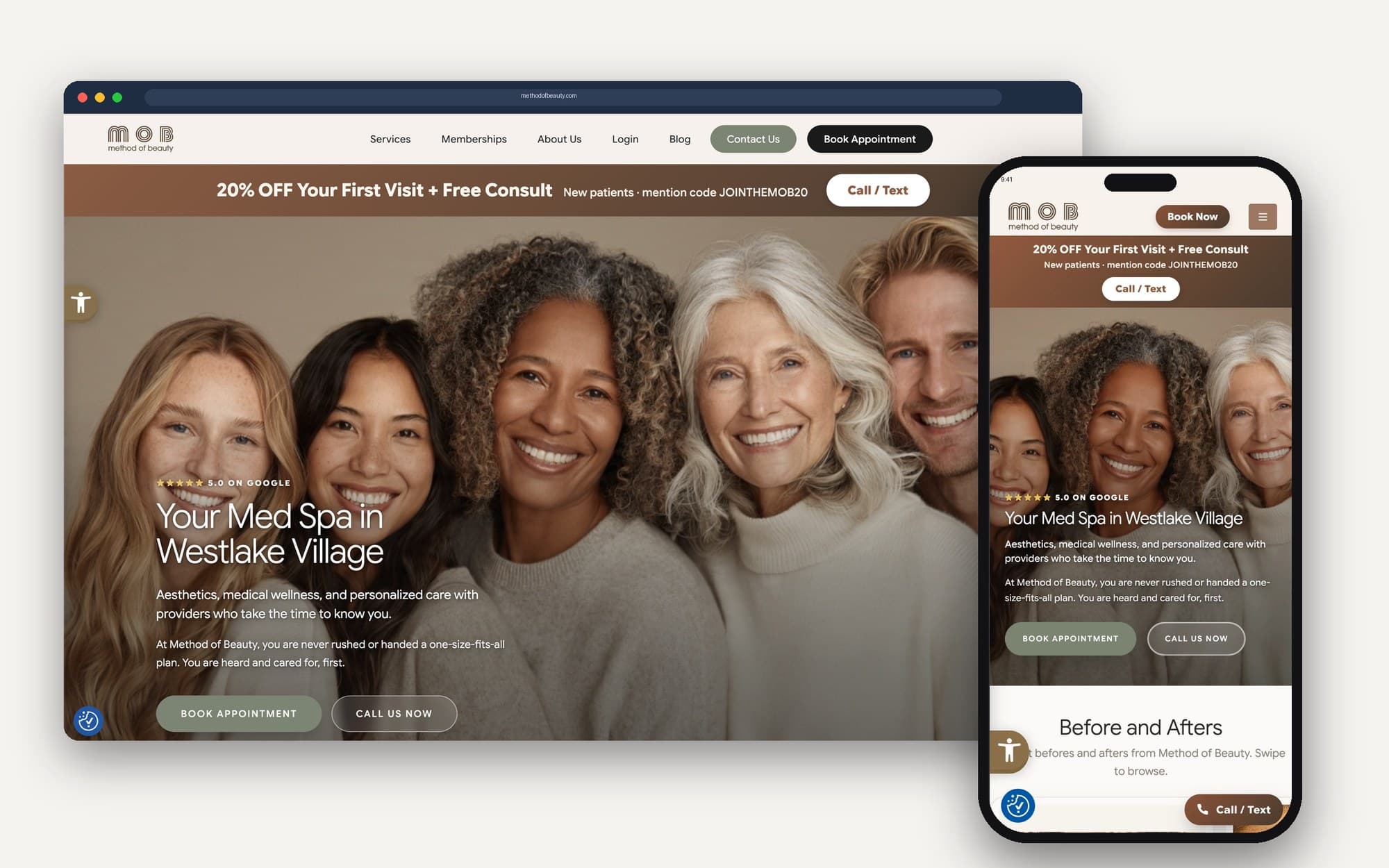
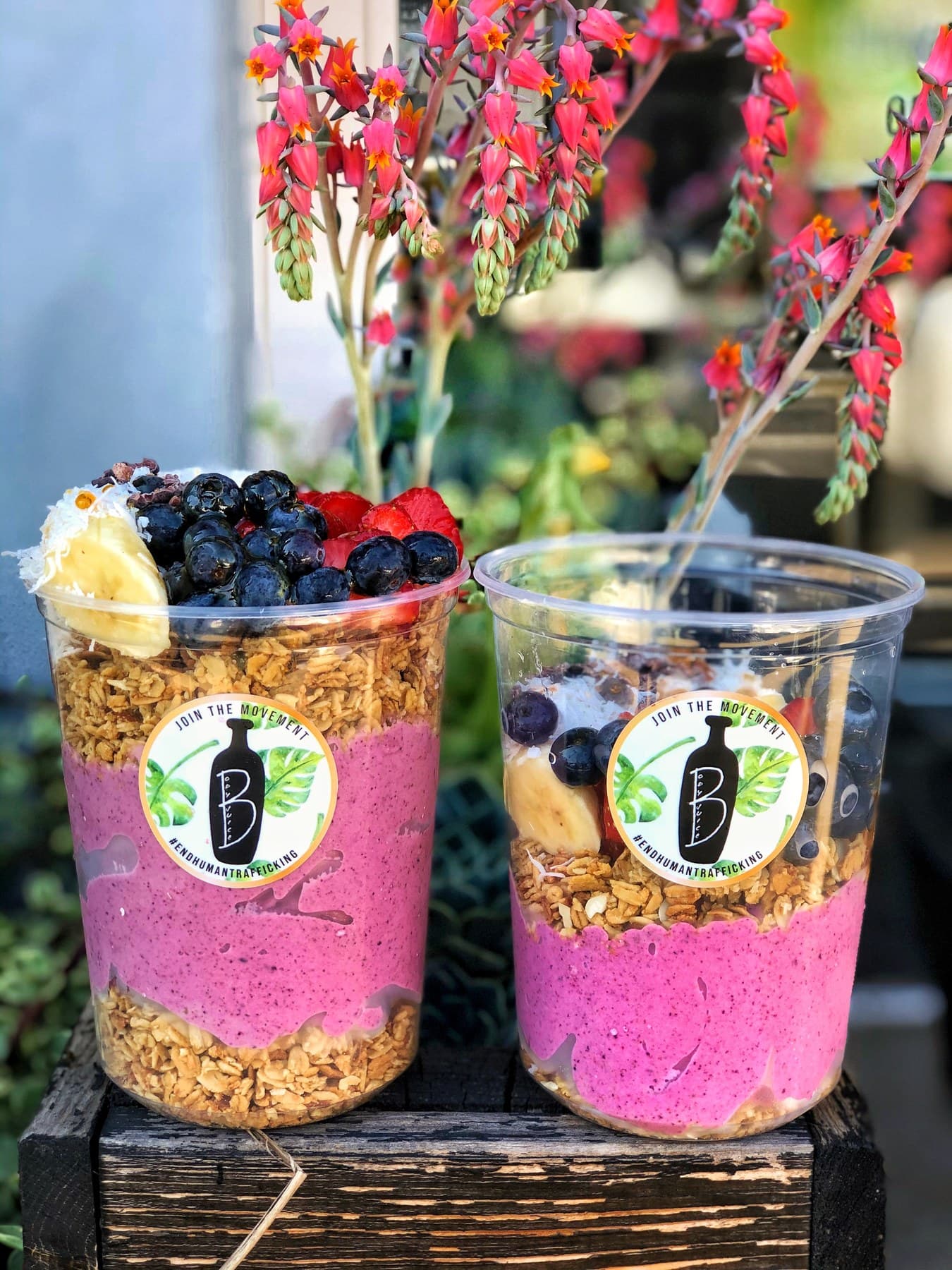
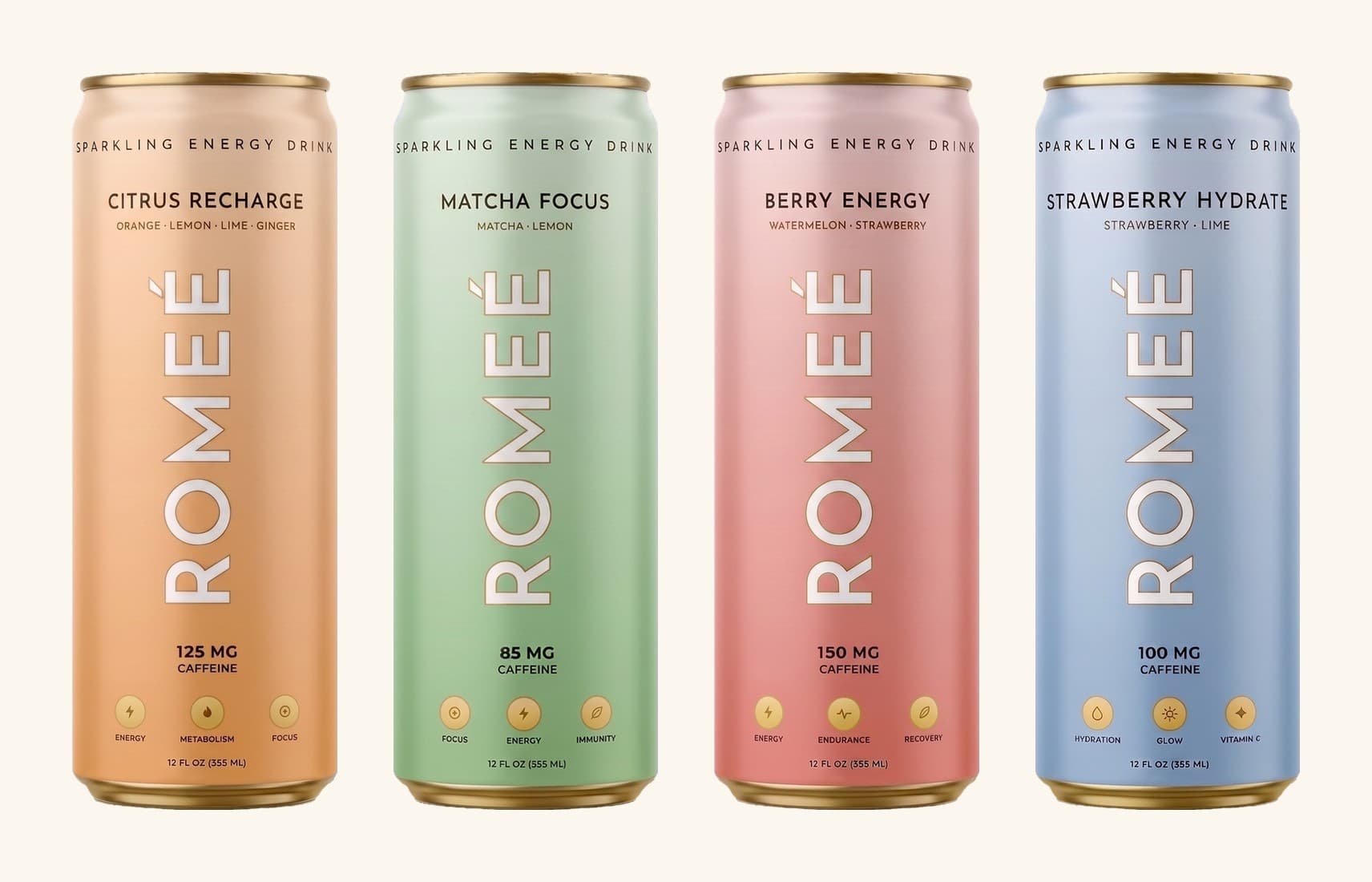
- Visual identity. The logo, yes, but also the colors, the type, the photography, the way your quotes and emails look. Not art for its own sake. A consistent visual signature so people recognize you across a dozen touchpoints without reading the name.
- Consistency. The quiet multiplier. The same promise, voice, and look from the ad to the website to the person who answers the phone to the follow-up email two weeks later. Consistency is what turns scattered impressions into a single, trusted whole.
- Reputation. What other people say when you are not in the room. Reviews, referrals, the story a past customer tells at a dinner party. This is the part you influence but never fully control, and over time it becomes the loudest voice in your brand.
Most of that list is decision and discipline rather than design. A small business with no budget can nail positioning, voice, consistency, and reputation. Those four are mostly free. They are also where most of the value lives.
Why this is not a luxury for later
The "I will brand it once I am bigger" plan has the timeline backwards. Branding is often part of how a business got big, not a reward for it. Every customer you serve before you have a clear brand is forming an impression anyway. You do not get to skip having a brand. You only get to choose whether you shaped it or whether it happened to you by accident.
And the accidental version is usually muddy. Inconsistent name across listings, a logo that says "premium" while the voice says "cut-rate," three different versions of what you even do. The customer cannot articulate why, but something feels off, so they go with the competitor who feels coherent.
Even the basics of getting this right start earlier than people think. The U.S. Small Business Administration treats your business name and identity as a launch-day decision, not a someday-decision, right alongside registering the entity and protecting the name with a trademark. The government's own startup checklist puts brand identity at the beginning of the story, not the end.
The real reason it matters: what you can charge
This is where branding becomes a line on your P&L. A clear, trusted brand changes what people will pay you. Two businesses can sell the identical service. The one customers trust gets to charge more, gets questioned on price less, and spends less to win each new customer. That gap is not an accident. It is the brand doing its job.
Trust is the mechanism. People do not buy the cheapest option. They buy the option they feel safest choosing, especially when the decision matters or the money is real. Nielsen's research on consumer trust found that 88 percent of people trust recommendations from people they know above any form of advertising. A strong brand is what earns those recommendations and what makes them land. When your name comes up at that dinner party, your brand is the thing that decides whether the answer is "oh, they are excellent" or a shrug.
Loyalty is the compounding effect. Keeping a customer usually costs less than winning a new one, and brands are the reason customers come back instead of re-shopping the whole market every time. The owner without a brand pays full price for every customer, forever. The owner with one builds a base that returns on its own.
Customers do not pay more for a better logo. They pay more for a business they trust, and the brand is how trust gets built before they have ever met you.
Consistency is the cheat code
Consistency does more for a small brand than brilliance does. You do not need a stunning identity. You need the same identity, everywhere, every time, long enough for it to sink in. The mediocre brand applied consistently beats the gorgeous brand applied haphazardly, because recognition and trust are built through repetition, not through a single perfect impression.
This is also where the measurable money shows up. The brand consistency research compiled by Marq, formerly Lucidpress, drawn from a survey of more than four hundred organizations, measured what brand consistency is worth to a business. The takeaway: showing up the same way, on purpose, across everything you do, is a lever almost no small business pulls, and it is sitting right there for free.
Concretely, consistency means your logo is not three slightly different files. Your business name reads identically on Google, your website, your invoices, and your voicemail. Your colors do not drift. The tone of your email matches the tone of your storefront.
A starter approach for a business with no agency
You do not need a budget or a consultant to begin. You need a couple of focused hours and the willingness to make some decisions and then stick to them. A realistic order of operations:
- Write your promise in one sentence. "We help [who] get [what] without [the thing they dread]." If you cannot finish that sentence, no design will save you. If you can, you have a brand's spine.
- Pick three words for your voice. For example: clear, warm, no-nonsense. Tape them above your desk. Every time you write copy, check it against those three words.
- Lock the visual basics. One logo file, two or three colors with their exact codes written down, one font for headlines and one for body text. Save them in one folder. That folder is your brand kit. It does not need to be fancy. It needs to be one source of truth.
- Make a consistency checklist. List every place your brand appears: website, Google Business Profile, social, email signature, invoices, signage, packaging. Then make all of them match. This single afternoon outperforms most paid rebrands.
- Engineer your reputation. Ask every happy customer for a review within a day or two of the work, with a direct link. Reputation is the part of your brand other people build for you, but only if you give them the nudge.
Do those five things and you will have a real brand, the kind a customer can feel even if they could never name what they are feeling. You can hire help to make it prettier later. The decisions above are the part that actually moves the business, and they cost you time and honesty rather than money.
See our brand identity work.
While you are here
Want a straight answer about your own site?
Tell a founder what you are working on. You will get an honest read on what is worth doing first and what to skip, whether or not you hire us.
Not ready? Keep reading
What to skip while you are starting out
Just as useful as knowing where to spend energy is knowing where not to. A few common branding rabbit holes that small businesses fall into far too early:
- Chasing the perfect logo. A clean, legible logo is fine. Three weeks of revisions on the kerning is theater. Your customers will judge the experience, not the letter spacing.
- A full brand guidelines document. A fifty-page brand book is for companies with marketing departments. Your one-folder brand kit does the same job at your scale.
- Rebranding to fix a slow month. A new look almost never fixes a business problem. If sales are soft, the answer is usually clarity, follow-up, or the offer itself, not a fresh coat of paint.
- Copying a big brand's style. What works for a company spending millions on awareness will not translate to a business that lives or dies on local trust and word of mouth. Borrow the discipline, not the look.
The honest close
Branding is the promise you make and the consistency with which you keep it, and it is quietly working for you or against you from the day you open. The good news is that the parts that matter most, positioning, voice, consistency, and reputation, are mostly free and entirely within your control. You can start this week with a sentence, three words, and a single folder.
If you would rather not untangle the positioning and the messaging alone, that is the kind of work we do at Mining Wells, helping owners get clear on what they promise and say it the same way everywhere. But you do not need us, or anyone, to begin. Pick your promise, write it down, and make everything match.