Geofencing for restaurants: the underused playbook.
Every seat in your dining room is perishable inventory, and the diners who could fill it walk and drive past you every day. Geofencing puts your restaurant on their phone at the moment it matters. How it works, what it costs, and where restaurants get it wrong.
A restaurant seat might be the most perishable product in commerce. The 7pm four-top you did not fill tonight is not inventory you can mark down and move tomorrow. It is revenue that never existed. And the people who could have filled it were not far away. Most of them were within a short drive of your door, phone in hand, deciding where to eat. Geofencing for restaurants exists for exactly that moment, and almost none of your competitors are using it.
What geofencing actually is, in plain English
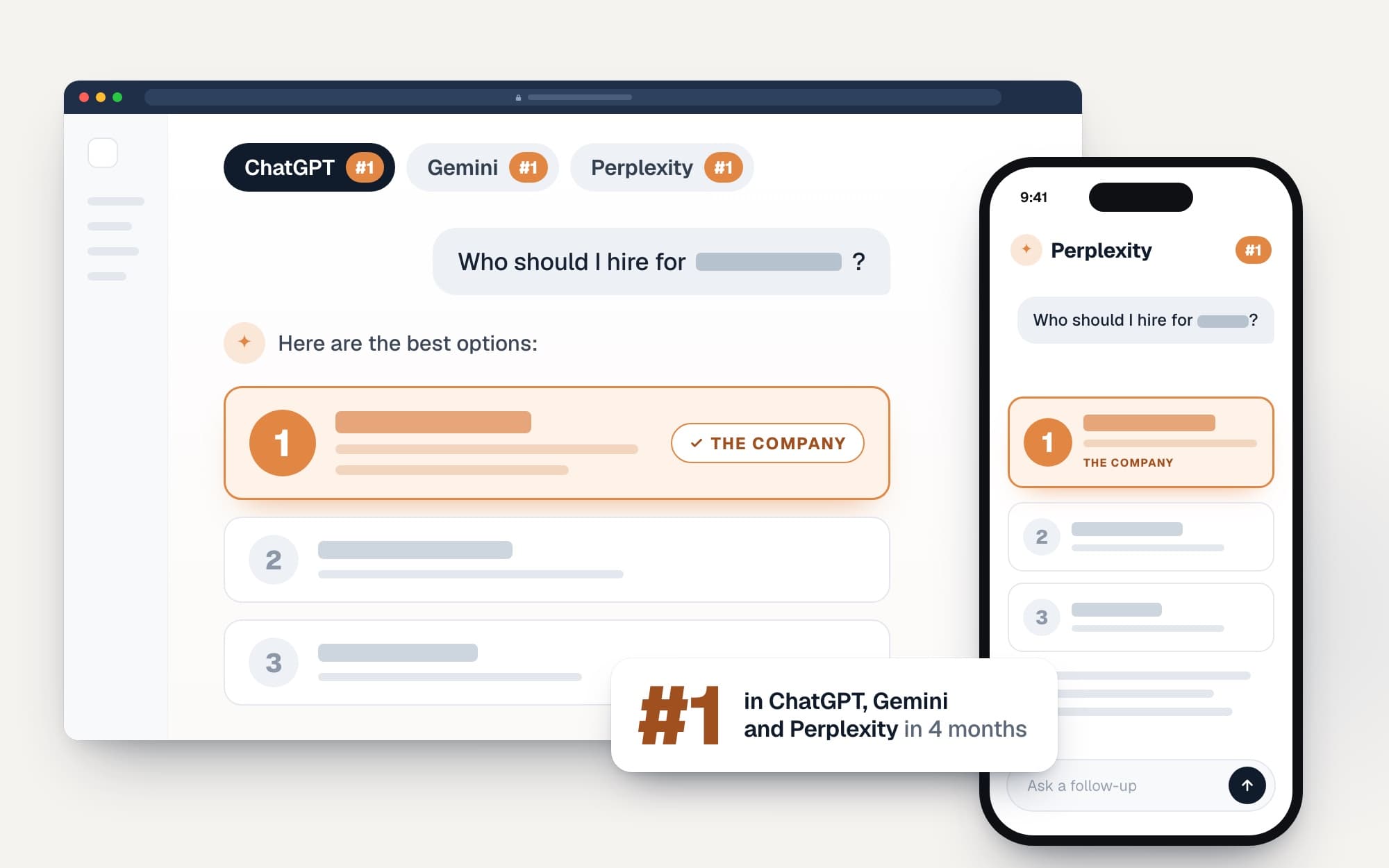
Geofencing draws an invisible boundary around a real place, a competitor's dining room, an office tower, a concert venue, and serves your ads to the phones that enter it. The ads show up in the apps and mobile sites those people already use, and the better platforms can keep showing your ad to those same devices for days after they leave the fence. That is the entire concept. No beacon hardware, no app of your own, no science project. The targeting signal is physical presence, and for a restaurant, physical presence is about as close to intent as advertising gets. A person standing in a lunch line two blocks from your kitchen has already told you what they want and roughly when they want it.
Restaurants are the use case geofencing was built for
Three things make a restaurant close to the perfect geofencing client. First, perishable inventory: every seat and every daypart expires on a timer, so a channel that can produce visits this week is worth real money in a way that vague brand awareness never captures. Second, a tight trade area: you do not need to reach the metro, you need to reach the mile around your door, which is precisely the thing geofencing does and mass channels cannot. Third, daypart demand: lunch gets decided late in the morning and dinner in the late afternoon, in most cases while the person is already out in the world, and a channel that finds people by where they are standing can reach them while the decision is still open.
The industry context makes this sharper, not softer. The National Restaurant Association's 2026 State of the Restaurant Industry projects $1.55 trillion in sales for the year and names uneven customer traffic among the challenges operators keep wrestling with. Uneven traffic is exactly the problem a well-built fence attacks. It does not make more people hungry. It points the hungry people nearby at your door during the dayparts you need them.
The fences that actually work
The skill in geofencing ads is not drawing shapes on a map. It is knowing which places contain a dining decision that is about to be made. We are not going to publish our full playbook here, but the logic behind four reliable fences shows you how to think about all the rest:
- Your competitors, at lunch. The people in that line have already proven they eat out, at your price point, in your neighborhood, on a schedule. Your ad on their phone that afternoon is not an interruption. It is an audition for next week's lunch.
- Office buildings, before 11am. Reach the towers within a few blocks while lunch is still an open question, not after the elevators have already emptied toward somewhere else.
- Event venues, before doors. A stadium or theater gathers thousands of people who share one problem: two empty hours and dinner unsolved. A fence timed to the pre-show window puts you in front of that crowd while the decision is live.
- Hotels, for visitors. Travelers have no habits to break and every intention of eating out, and they know nobody in town. In most cases, the restaurant that shows up on their phone with a reason to visit wins by default.
Geo targeting vs geofencing, settled honestly
The two terms get used interchangeably, and the sloppiness costs money. Geo targeting is the broad version: pointing ads at a city, a zip code, or a wide radius, with location inferred from signals like GPS, Wi-Fi, and IP address, which is how Google's own documentation describes location detection. Geofencing, practiced well, is the surgical version: tight boundaries around specific buildings, chosen for what happens inside them, often with the ability to follow those exact devices afterward. One reaches everyone who happens to be somewhere. The other reaches people because they went somewhere. Neither is a laser, since location signals are probabilistic and always will be, but for a restaurant the difference is decisive. Where a person is standing at 11:45 on a Tuesday says more about lunch than their zip code ever will.
What geofencing marketing costs, and how to judge it
Geofencing is typically bought on a CPM basis, meaning cost per thousand impressions. Propellant Media's published cost breakdown puts display CPMs at roughly $5 to $12 depending on the provider, video in the mid teens up to about $25, and connected TV higher still, with monthly minimums running from around $1,000 at boutique shops to five figures at the big platforms. Treat all of that as commonly quoted ranges rather than a menu, because pricing moves with market, format, and vendor. The sticker is also the least interesting number in the conversation.
The number that matters is cost per visit. The better geofencing platforms can report when a device that saw your ad later shows up inside your own four walls, which turns the channel into arithmetic a restaurant owner can actually run: what did a walk-in cost through the fence, and what is that guest worth across the return visits that follow if the food does its job? Judge the campaign there, not on impressions. A million impressions that produce no covers is not reach. It is a rounding error with a receipt.
Where restaurants get geofencing wrong
When geofencing fails a restaurant, the autopsy in most cases finds one of four wounds. Fencing the whole city, which turns a surgical channel into an expensive billboard aimed at people who were never driving twenty minutes for a sandwich. Ugly creative, the dim overhead photo that makes a $28 short rib look like a cafeteria tray. No offer, meaning an ad that asks a stranger to break a lunch habit and gives them nothing in exchange for doing it. And measuring clicks, which say almost nothing about dinner, instead of walk-ins, which are the entire point.
Notice that none of these are flaws in the channel. They are flaws in the setup, which is the part almost everyone skips because it is the part that requires actual thought.
Almost nobody does this well, and that is the gift
Most agencies pitch search and social because search and social are easy to sell, so geofencing rarely makes the deck. Most restaurants that try it anyway go the DIY route, fence half the city, run their logo as the creative, see nothing, and declare the channel dead. Their failed experiment is your discount. While everyone crowds the same delivery apps and boosted posts, the phones inside the buildings around you go largely uncontested, and underused channels are where attention is cheapest. This one comes with the rare combination a restaurant needs: nearby people, provable visits, and a message that can meet a specific hunger at a specific hour.
While you are here
Want a straight answer about your own site?
Tell a founder what you are working on. You will get an honest read on what is worth doing first and what to skip, whether or not you hire us.
Not ready? Keep reading
Your future regulars are standing in your competitor's line right now. Geofencing is how you introduce yourself, and almost nobody else in your zip code is bothering to.
The strategic setup is the whole game
We made the channel-wide version of this argument in our post on geofencing advertising: drawing the fence is the easy half, and the message inside it decides everything. For restaurants the stakes are simply sharper, because the inventory expires nightly. Which buildings, which dayparts, what offer, what the ad looks like, how a visit gets counted. Those decisions happen before the first impression is ever served, and they are the difference between a channel that fills seats and one that quietly burns a marketing budget.
That setup is the work we do at Mining Wells. For restaurants, our ads and lead generation work starts where this post started: we diagnose your seats, your radius, and your dayparts, then build the fences, the offer, and the creative that earn the visit. Take the principle with you either way. Stop paying to reach the whole city. The diners you need are a few hundred feet away, and their phones are on.