
//Palo Alto, California
How to start a business in Palo Alto.
Palo Alto sits at the center of the venture and university economy that built Silicon Valley. Here is the practical sequence to register, get your Business Registry Certificate, and open, with the official links and where to get free help.
Starting a business in Palo Alto? The official steps and source links are below.
Already operating or launching with budget in place? You can also
Palo Alto combines startups, research firms, professional services and high-value retail around Stanford and the Peninsula economy. If you are opening here, the first job is simpler than the mythology around Silicon Valley: get the filings, location and permits right.
//The sequence
How to start a business in Palo Alto, step by step.
This is a practical starting sequence. Requirements vary by entity, location and industry, so use CalGold and the city, county and state sources below to confirm what applies to yours.
- 1
Register the business and the name
Form your LLC or corporation with the California Secretary of State through bizfile, or stay a sole proprietor. If you operate under a name that is not your legal name, file a fictitious business name (DBA) with the Santa Clara County Clerk-Recorder, then publish it.
- 2
Get your free EIN and any seller's permit
Get a free federal EIN from the IRS for banking and taxes. If you sell or lease physical goods, register for a free seller's permit with the CDTFA so you can collect sales tax.
- 3
Get your Palo Alto Business Registry Certificate
Businesses with a fixed place of business in Palo Alto must obtain a Business Registry Certificate, renewed annually by March 31. Home-based businesses, those with less than one full-time-equivalent employee, and religious organizations still file an application but are exempt from the fee. The Business Registry Certificate and Palo Alto Business Tax are separate requirements. The city says non-exempt businesses file the Business Tax quarterly, while exemptions, offsets or credits may apply depending on the business. Check the city's current Business Registry and Tax page before filing.
- 4
Confirm zoning and pull any industry permits
Confirm your location is zoned for your use before you sign a lease, then check CalGold for the permits your trade needs. A new fixed food facility generally needs Santa Clara County Environmental Health review before it can operate. Depending on the setup, that may include plan review, a facility evaluation and an operating permit. Some limited prepackaged-food operations qualify for exemptions, so check the county's current requirements before committing to a buildout.
- 5
Check the $800 California tax rules for your entity
California LLCs generally owe an $800 annual tax. Corporations subject to the franchise tax generally face an $800 minimum, but newly formed or qualified corporations are not subject to that minimum in their first taxable year. Entity rules differ, so check the Franchise Tax Board before you budget or file.
- 6
Use the free help that already exists
The Silicon Valley SBDC, part of the Norcal SBDC network, offers no-cost, confidential one-on-one advising on planning, funding, and marketing. Use it before you pay a consultant.
//Free Palo Alto checklist
Take the steps with you.
Get the Palo Alto business checklist with the city, county, state and federal source links in one place. We keep the source page dated so you can see when it was last checked.
//Common questions
Things we get asked first.
Do I need a business license in Palo Alto?
Palo Alto requires a Business Registry Certificate for businesses with a fixed place of business in the city, renewed annually by March 31. Home-based businesses, those with less than one full-time-equivalent employee, and religious organizations still file an application but are exempt from the fee.
How do I open a restaurant in Palo Alto?
Beyond the Business Registry Certificate, a new fixed food facility generally needs Santa Clara County Environmental Health review before it can operate, which may include plan review, a facility evaluation and an operating permit. A downtown storefront can add design and zoning standards, so confirm those with the city early.
Where do I file a DBA for a Palo Alto business?
File a fictitious business name with the Santa Clara County Clerk-Recorder if you operate under a name that is not your legal name, then publish it in a local newspaper.
What is the $800 tax people forget about?
California LLCs generally owe an $800 annual tax, even in a slow year. Corporations generally face an $800 minimum franchise tax, but newly formed or qualified corporations are not subject to that minimum in their first taxable year. Check the Franchise Tax Board before you budget or file.
Does Palo Alto also charge a business tax?
Yes. The City of Palo Alto says the Business Registry Certificate and the Business Tax are separate requirements. Non-exempt businesses generally file the Business Tax quarterly, while exemptions, credits and offsets may apply.
Source: City of Palo Alto, Business Registry and Tax//Already operating?
The marketing question starts after the filing question.
If the business is already open, or the launch is funded, tell our founders what you want to change. We will look at the business before recommending SEO, paid media, the website or anything else.
For operating businesses and funded launches with budget available to act on the plan.
//Bookmark these
Official Palo Alto, Santa Clara County, and California resources.
Each link goes straight to the government or nonprofit source that handles it. Go to them directly rather than a paid middleman that charges for free filings.
- City of Palo Alto: Business Registry Certificate
Palo Alto requires an annual Business Registry Certificate by March 31. Home-based, very small, and religious organizations file but are exempt from the fee.
- City of Palo Alto: Business Tax
Separate from the registry certificate. Non-exempt businesses in a fixed place of business file and pay quarterly, and exemptions, offsets and credits can apply.
- City of Palo Alto: Planning & Development Services
Zoning questions, parcel reports and planning approvals. Check the use is allowed at the address before you sign a lease.
- CA Secretary of State: bizfile
Register an LLC, corporation, or partnership, or reserve a name, directly with the state.
- IRS: Get an EIN (free)
Your free federal tax ID. The IRS issues it online in minutes. Never pay a third party for one.
- CDTFA: Seller's Permit
Free sales-tax permit, required if you sell or lease physical goods in California.
- CalGold Permit Finder
Enter your city and business type to see every permit you need, with the agency contacts.
- Franchise Tax Board: LLC $800 annual tax
Every LLC doing business or organized in California owes the $800 annual tax until it is cancelled, including the first year.
- Franchise Tax Board: Corporation minimum tax
Corporations owe an $800 minimum franchise tax, but newly incorporated or qualified corporations do not pay it in their first taxable year.
- Santa Clara County: DBA / FBN
File a fictitious business name with the Santa Clara County Clerk-Recorder, online or by mail, then publish it.
- Santa Clara County: Food facility permits
Plan review, facility evaluation and the operating permit for fixed food facilities, including the limited prepackaged-food exemptions.
- Silicon Valley SBDC
No-cost one-on-one advising for Santa Clara County businesses on planning, funding, and marketing.
- Norcal SBDC (free advising)
No-cost, confidential business advising across Northern California, with San Francisco, Silicon Valley, and East Bay centers.
//Our work
View our case studies
Five businesses we have grown, including our own. Every number on these pages is one we can show you.
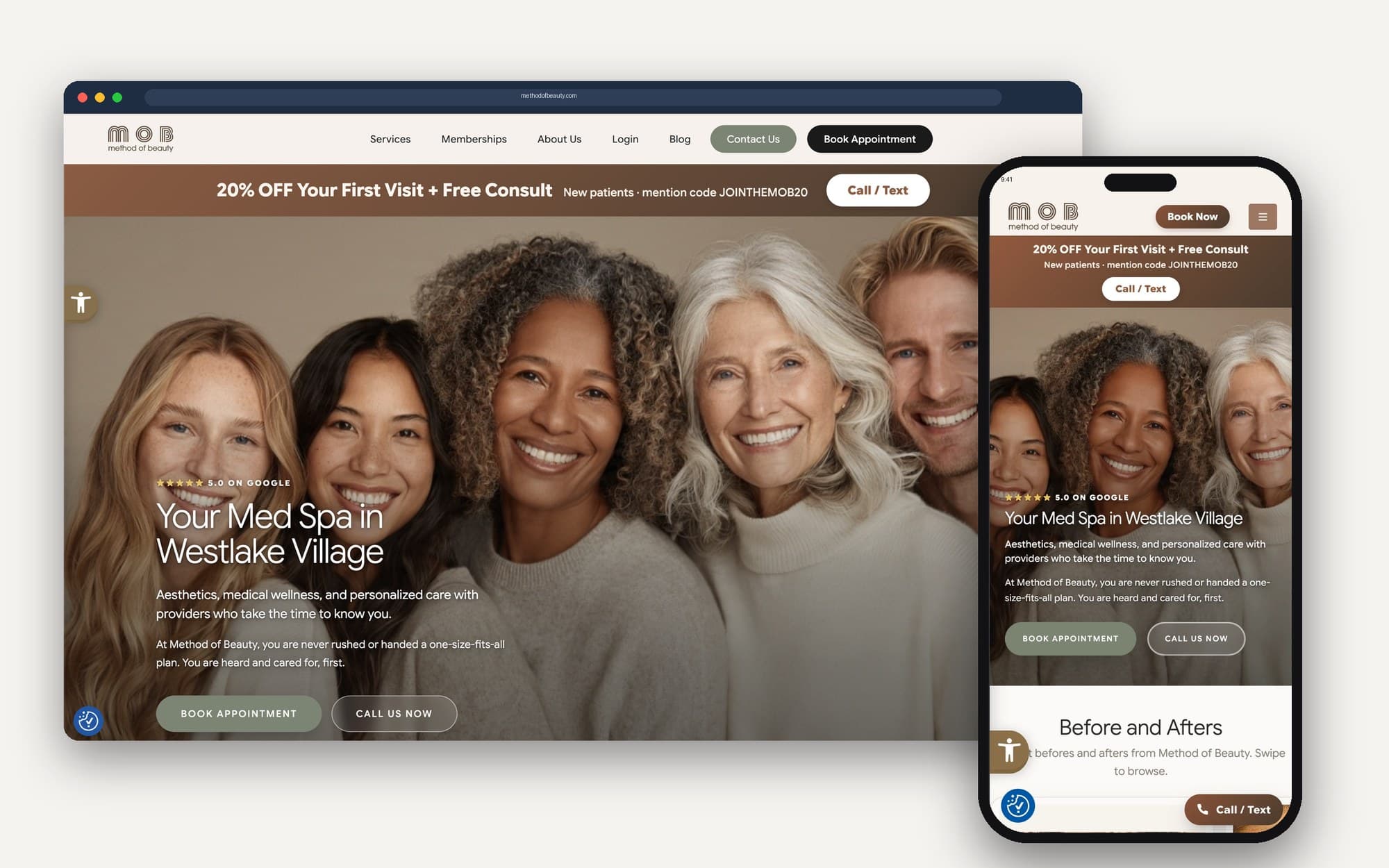
Method of Beauty
From zero to 406 ranking keywords
Meta clicks cost 60% less than the average advertiser pays.
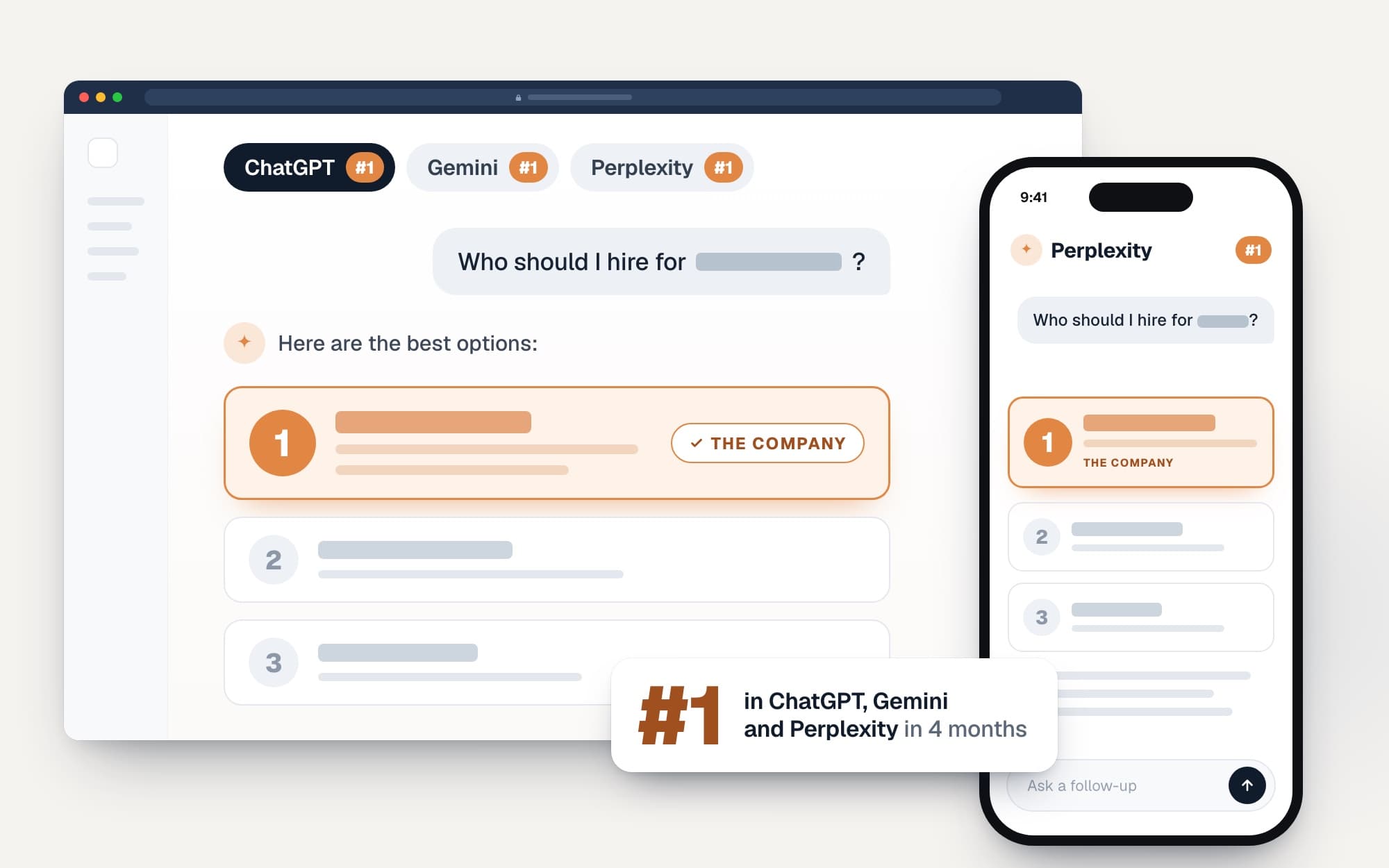
Technology company
From no website to #1 in ChatGPT, Gemini and Perplexity
In four months, from a brand-new domain and no marketing team.

Body Juice
From farmers' market cart to 600% customer growth
One of our founders' own businesses, built on a founder's budget.
Read the case studyRead the Body Juice case study
Romée
From a name to a brand, four can labels and a Shopify website
Logo system, four production-ready can labels and a custom website integrated with Shopify.
Read the case studyRead the Romée case study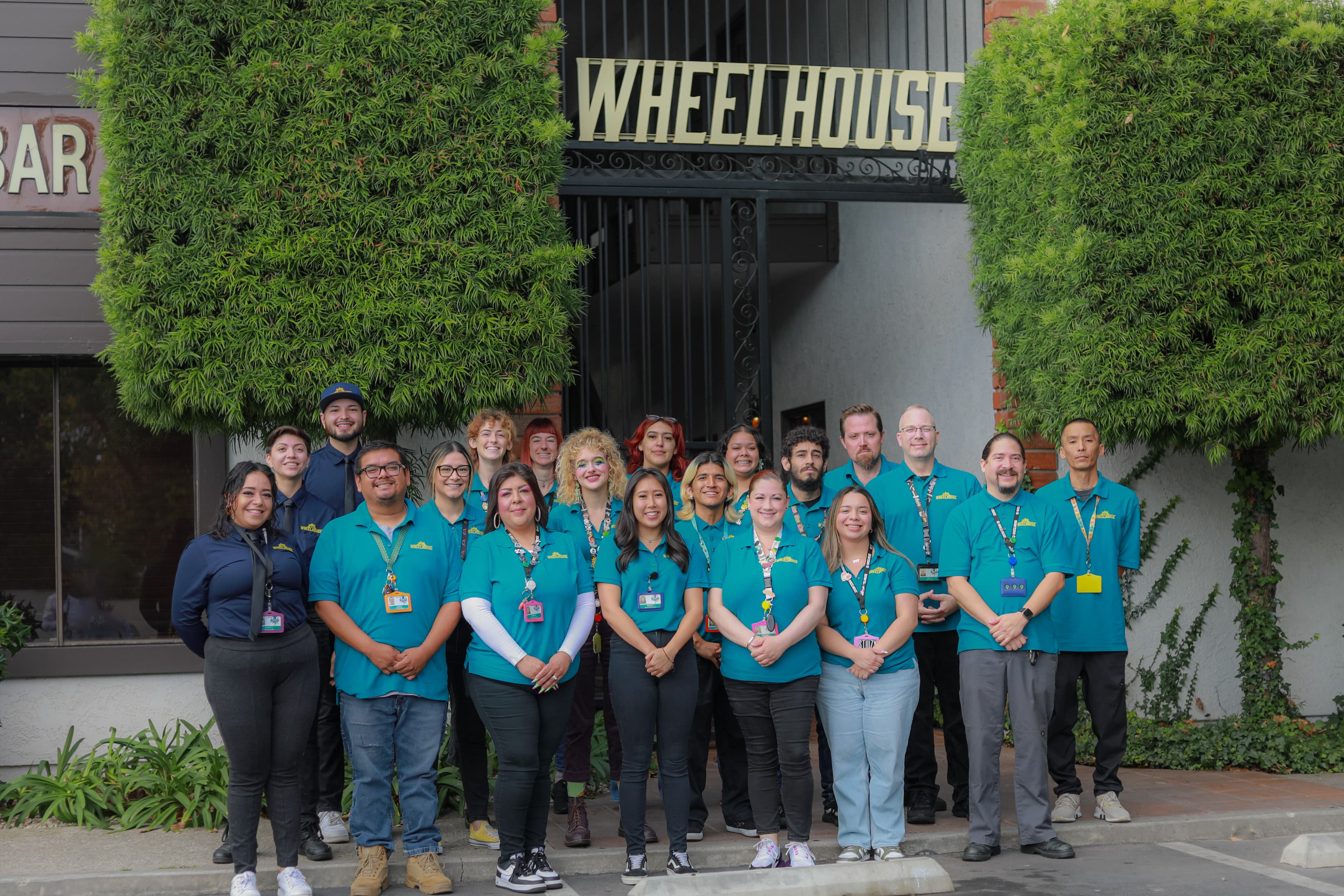
Wheelhouse
From page 3 to the top 3 for 300+ keywords
In a category that bans most advertising.
Read the case studyRead the Wheelhouse case study