
//San Bernardino County, California
How to start and grow a business in San Bernardino County.
A straight, practical guide to registering your business, getting the right permits, and actually finding customers across San Bernardino County. Every official link you need is below, plus where to get free help. No fluff, no hard sell.
Starting a business in San Bernardino County? The official steps and source links are below.
Already operating or launching with budget in place? You can also
San Bernardino County is the largest county in the country by land area and home to roughly 2.2 million people. The valley cities of San Bernardino, Fontana, Rancho Cucamonga, and Ontario form a major logistics and distribution hub, anchored by Ontario International Airport and a vast supply of warehouse space. Head north over the pass and the High Desert around Victorville and Hesperia runs on housing, healthcare, and trade. Redlands and Chino Hills bring affluent, established markets. Each city sets its own business rules, and that trips up a lot of owners.
This page is the part most marketing sites skip: how to actually open your doors. The county, the state, and your specific city each play a role, and doing the steps in the right order saves you weeks. Below is the full sequence with links straight to the official sources, the trades that need extra permits, and the free local programs that will help you for nothing. The part about getting found by customers comes at the end, once you are legal and open.
//The sequence
How to start a business in San Bernardino County, step by step.
This is the order that works for most new businesses. Requirements vary by entity, location and industry, so use the city, county and state sources below to confirm what applies to yours.
- 1
Find out who licenses your address
Each of San Bernardino County's 24 cities and towns licenses the businesses inside it; the San Bernardino Council of Governments lists them all. The county itself issues no business license, neither for unincorporated areas nor one that covers the whole county. In an unincorporated area, check zoning with County Land Use Services, which has a zoning lookup by parcel number: (909) 387-8311. A business run from a home there may need a Home Occupation Permit.
- 2
Pick a structure and register the business
Form an LLC or corporation with the California Secretary of State through bizfile Online, or stay a sole proprietor. If you use a name that is not your legal name, file a fictitious business name (DBA) statement with the San Bernardino County Assessor-Recorder-County Clerk within 40 days of starting business. It costs $90, plus $2 for each additional name or registrant, and online filings are processed within 10 business days. The county says publication must start within 45 days of filing, once a week for four consecutive weeks in an adjudicated newspaper, but its FAQ still says an unpublished statement expires after 30 days, so starting within 30 satisfies both.
- 3
Get your free EIN and any seller's permit
The IRS says you generally need an EIN to hire employees or to operate a partnership or corporation. It issues the number online, immediately if approved, and never charges for it. If you sell or lease goods that would ordinarily be subject to sales tax, you also need a seller's permit from the CDTFA, which does not charge for it but may ask for a security deposit.
- 4
Get your city business license
This is the step that changes most by city, in price and timing. Chino Hills charges $21.83 after a Land Use Clearance, Fontana $35 plus a business tax on gross receipts, and the City of San Bernardino wants a Zoning Verification Review before it registers you. Victorville takes applications online only and needs two to four weeks. The free checklist lists the offices of seven cities, and the city guides below walk through each one.
- 5
Confirm zoning and pull any industry permits
Before you sign a lease, confirm the use is allowed at the address with your city's planning office, or County Land Use Services in unincorporated areas. If you sell or serve food: Every food facility needs a health permit from San Bernardino County Environmental Health Services, and plans for a new or remodeled facility, or a change in menu or type of operation, must be approved before construction begins. Plans are approved or rejected within 20 working days, and a final inspection comes before you open: (800) 442-2283. For other permits, GO-Biz offers permitting and regulatory help for any size company.
- 6
Report business equipment to the Assessor
If your business property cost more than $100,000 in total, or the Assessor asks you to file, file Form 571-L by April 1. A statement e-filed or postmarked after 5 p.m. on May 7 gets a 10% penalty, and if you do not file at all, the Assessor estimates the value and adds the same penalty. Questions: (909) 382-3220.
- 7
Check the $800 California tax rules for your entity
Every California LLC owes the $800 annual tax, even in a year it does no business, until it is cancelled. Corporations owe an $800 minimum franchise tax, but newly incorporated or qualified corporations do not pay it in their first taxable year.
- 8
Use the free help that already exists
The Orange County Inland Empire SBDC offers no-cost help for entrepreneurs across Orange, Riverside and San Bernardino counties. Use it before you pay a consultant.
//Free San Bernardino County checklist
Take the steps with you.
Get the San Bernardino County business checklist with the city, county, state and federal source links in one place, including the licensing offices of seven cities and what applies in unincorporated areas. We keep the source page dated so you can see when it was last checked.
//City guides
Start-a-business guides for San Bernardino County cities.
- San Bernardino
Business registration steps and the county seat's healthcare, government, and logistics economy.
- Fontana
Business license steps and a major distribution and manufacturing market.
- Rancho Cucamonga
Business license steps and the affluent retail, dining, and professional-services market.
- Ontario
Business license steps and the airport, convention, and logistics-hub economy.
- Victorville
Business license steps and the High Desert retail, healthcare, and trade market.
- Chino Hills
Business license steps and the affluent, family-oriented residential and retail market.
- Redlands
Business license steps and the historic downtown, university, and healthcare economy.
//Common questions
Things we get asked first.
Do I need a business license in San Bernardino County?
It depends on where the business is. Each of the county's 24 cities and towns licenses the businesses inside it. San Bernardino County issues no business license for unincorporated areas and none that covers the whole county, but a business there still needs the right zoning, and the county and state add registrations on top, such as a DBA or a seller's permit.
Source: San Bernardino County Clerk of the Board, Business LicensesHow do I register a business name in San Bernardino County?
If you use a name that is not your legal name, file a fictitious business name (DBA) statement with the San Bernardino County Assessor-Recorder-County Clerk within 40 days of starting business. It costs $90, plus $2 for each additional name or registrant, and online filings are processed within 10 business days. The county says publication must start within 45 days of filing, once a week for four consecutive weeks in an adjudicated newspaper, but its FAQ still says an unpublished statement expires after 30 days, so starting within 30 satisfies both.
Source: San Bernardino County Assessor-Recorder-County Clerk, Fictitious Business NameHow do I open a restaurant in San Bernardino County?
Beyond your city business license, every food facility needs a health permit from San Bernardino County Environmental Health Services. Plans for a new or remodeled facility must be approved before any construction begins; emailed plans get a 5% discount, and plans are approved or rejected within 20 working days. The county inspects after interior finishes, after the equipment goes in and once more before you open, so schedule each inspection five working days ahead: (800) 442-2283.
Source: San Bernardino County Environmental Health Services, Plan Check FAQDo I have to file a business property statement?
If your business property cost more than $100,000 in total, or the Assessor sends you a statement or a request, yes. Form 571-L is due April 1. One e-filed or postmarked after 5 p.m. on May 7 gets a 10% penalty, and if you do not file, the Assessor estimates the value and adds a 10% penalty. Questions: (909) 382-3220.
Source: San Bernardino County Assessor, Business PropertyWhat is the $800 California tax people forget about?
Every California LLC owes the $800 annual tax, even in a year it does no business, until it is cancelled. Corporations owe an $800 minimum franchise tax, but newly incorporated or qualified corporations do not pay it in their first taxable year.
Source: Franchise Tax Board, Limited liability companyWhere can I get free help starting my business?
The Orange County Inland Empire SBDC offers no-cost help for entrepreneurs across Orange, Riverside and San Bernardino counties. Use it before you pay a consultant.
Source: Orange County Inland Empire SBDC//Already operating?
The marketing question starts after the filing question.
If the business is already open, or the launch is funded, tell our founders what you want to change. We will look at the business before recommending SEO, paid media, the website or anything else.
For operating businesses and funded launches with budget available to act on the plan.
Prefer to read first? Marketing agency serving San Bernardino
//Bookmark these
Official San Bernardino County and California resources.
Every link here goes straight to a government or nonprofit source. These are the agencies that actually issue your registrations and permits, so go to them directly rather than a paid middleman.
- San Bernardino Council of Governments: Member Jurisdictions
Lists all 24 cities and towns in San Bernardino County. Each one licenses the businesses inside it.
- San Bernardino County Clerk of the Board: Business Licenses
The county issues no business license for unincorporated areas and none that covers the whole county. A business in a city contacts that city.
- San Bernardino County Land Use Services: Planning
Planning for the unincorporated areas, with a zoning lookup by parcel number. (909) 387-8311.
- San Bernardino County Assessor-Recorder-County Clerk: Fictitious Business Name
$90 to file, plus $2 for each additional name or registrant. File online, by mail or in person. (855) 732-2575.
- San Bernardino County Environmental Health: Plan Check
Food facility plans are approved before construction, inside city limits and out. Plans are approved or rejected within 20 working days. (800) 442-2283.
- San Bernardino County Environmental Health: Food Facilities
Health permits for restaurants, markets, food trucks and carts. A permit includes two routine inspections a year.
- San Bernardino County Assessor: Business Property
Form 571-L is due April 1 if your business property cost more than $100,000 or the Assessor asks. A 10% penalty applies after May 7. (909) 382-3220.
- Orange County Inland Empire SBDC (free advising)
No-cost help for entrepreneurs across Orange, Riverside and San Bernardino counties. (800) 616-7232.
- CA Secretary of State: bizfile Online
Where LLCs and corporations file with the California Secretary of State.
- IRS: Get an EIN
Your federal tax ID. Apply online and, if approved, the number is issued immediately. The IRS never charges a fee for an EIN.
- CDTFA: Seller's permit
Required if you sell or lease goods that would ordinarily be subject to sales tax. The CDTFA does not charge for it, though it may ask for a security deposit.
- Franchise Tax Board: LLC $800 annual tax
Every LLC doing business or organized in California owes the $800 annual tax, even in a year it does no business, until the LLC is cancelled.
- Franchise Tax Board: Corporation minimum tax
Corporations owe an $800 minimum franchise tax, but newly incorporated or qualified corporations do not pay it in their first taxable year.
- GO-Biz: Permit & Regulatory Assistance
The Governor's Office of Business and Economic Development says it will assist any size company with permitting and regulatory questions.
//Our work
View our case studies
Five businesses we have grown, including our own. Every number on these pages is one we can show you.

Method of Beauty
406 newly ranking keywords in three months
Meta clicks cost 60% less than the average advertiser pays.

Technology company
From no website to #1 in ChatGPT, Gemini and Perplexity
In four months, from a brand-new domain and no marketing team.

Body Juice
From farmers' market cart to 600% customer growth
One of our founders' own businesses, built on a founder's budget.
Read the case studyRead the Body Juice case study
Romeé
From a name to a brand, four can labels and a Shopify website
Logo system, four production-ready can labels and a custom website integrated with Shopify.
Read the case studyRead the Romeé case study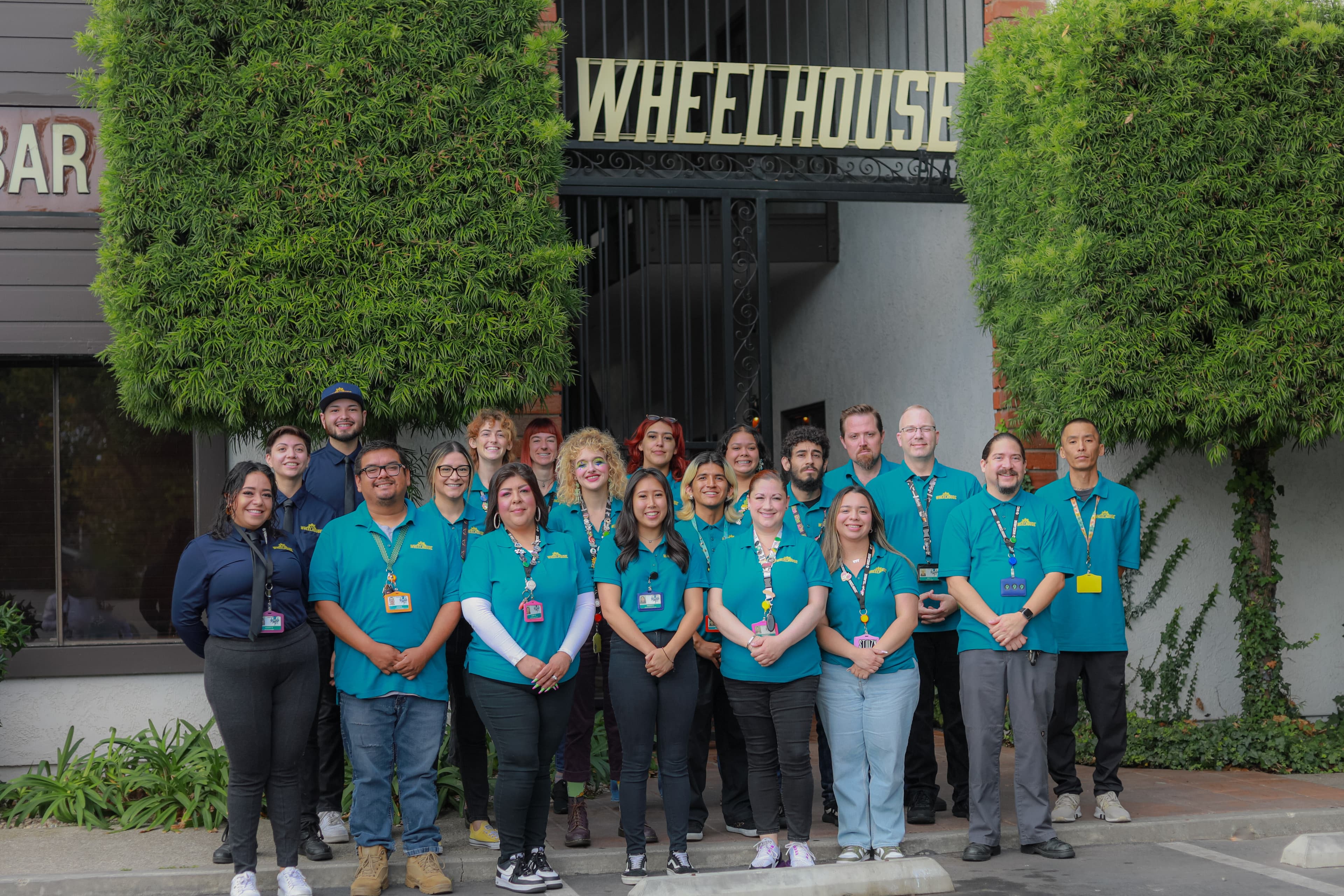
Wheelhouse
From page 3 to the top 3 for 300+ keywords
In a category that bans most advertising.
Read the case studyRead the Wheelhouse case study